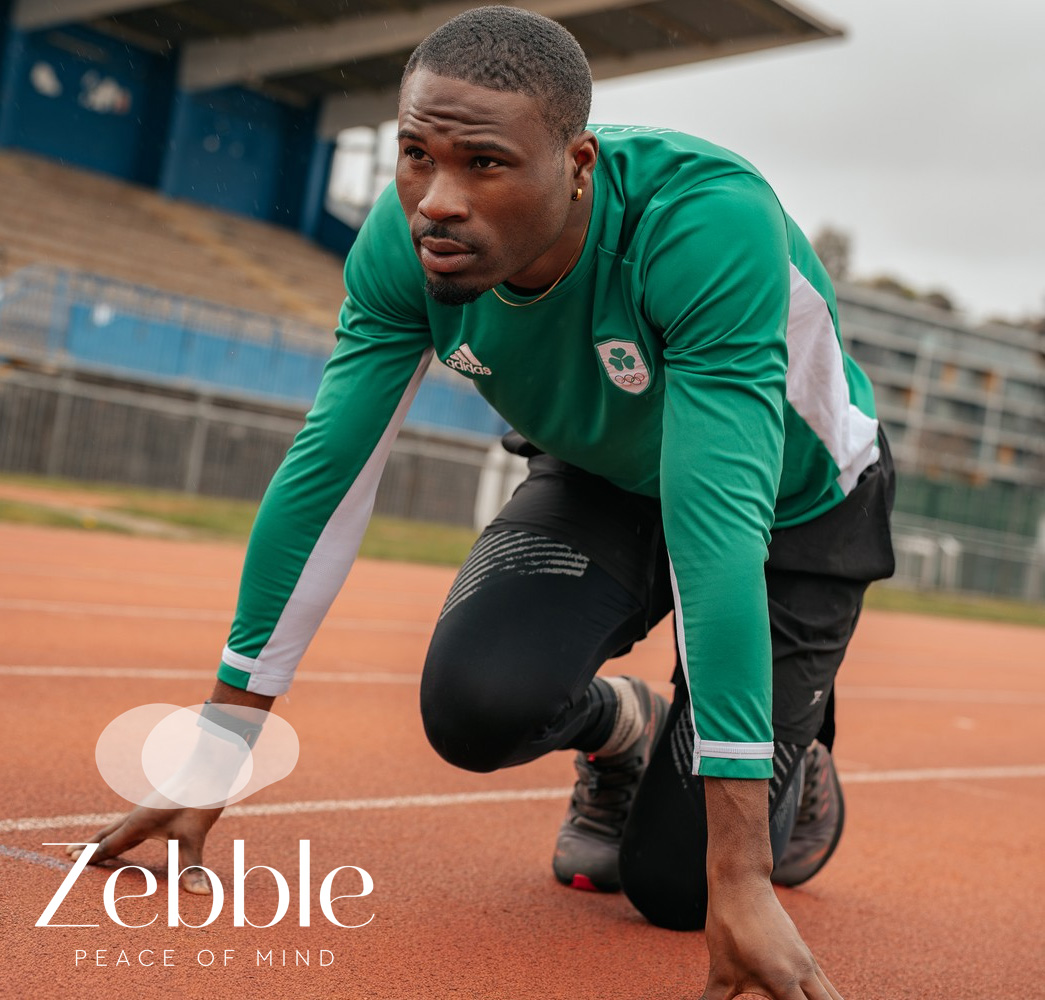

From explosive sprinting to long-distance endurance, the quality and purpose behind an athlete’s movement make all the difference.
For Jofra Archer and Tom Evans, strength and adaptability define how they train and prepare.
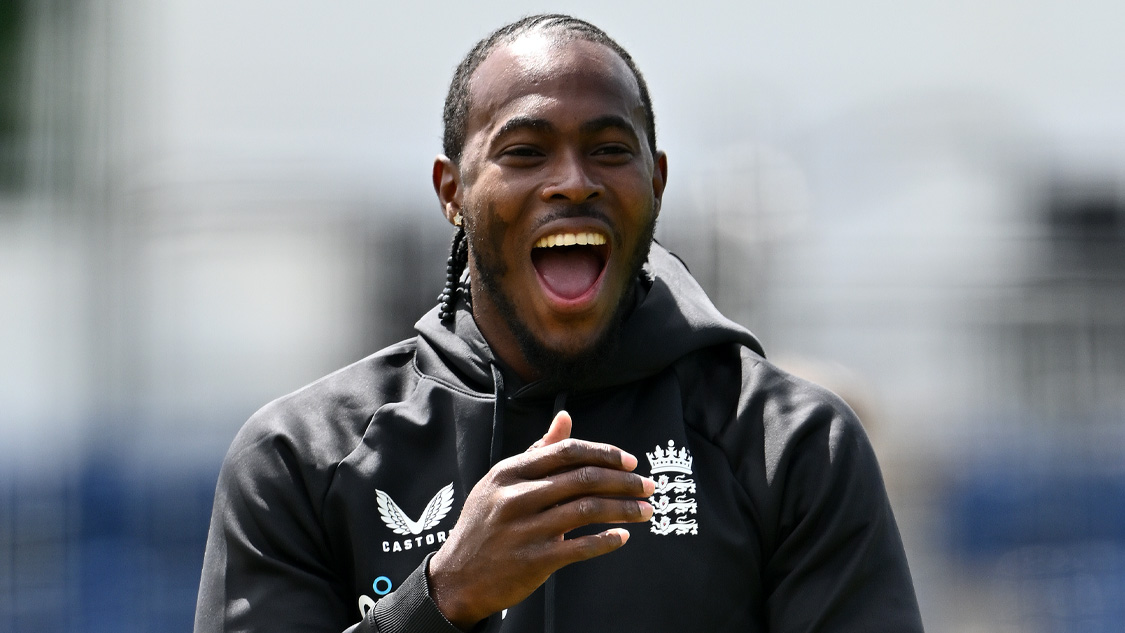
Jofra Archer: Strength and Explosiveness
With modern elite athletes like Jofra, insights from practice sessions and training breakdowns online show a mindset rooted in purpose-driven movement.
Jofra's approach blends strength, conditioning and on-field skill work - and it reflects the way elite fast bowlers train around power and stability.
Training advocates who have replicated Jofra's routines emphasise actions like rotational power drills, core stabilisation and dynamic mobility - all building blocks for explosive performance in bowling and sprint efforts.
What comes through is that Jofra's preparation is intentional: each exercise serves a role, whether it’s to protect the shoulder, enhance hip drive, or improve balance under load.
Tom Evans: Purposeful Endurance
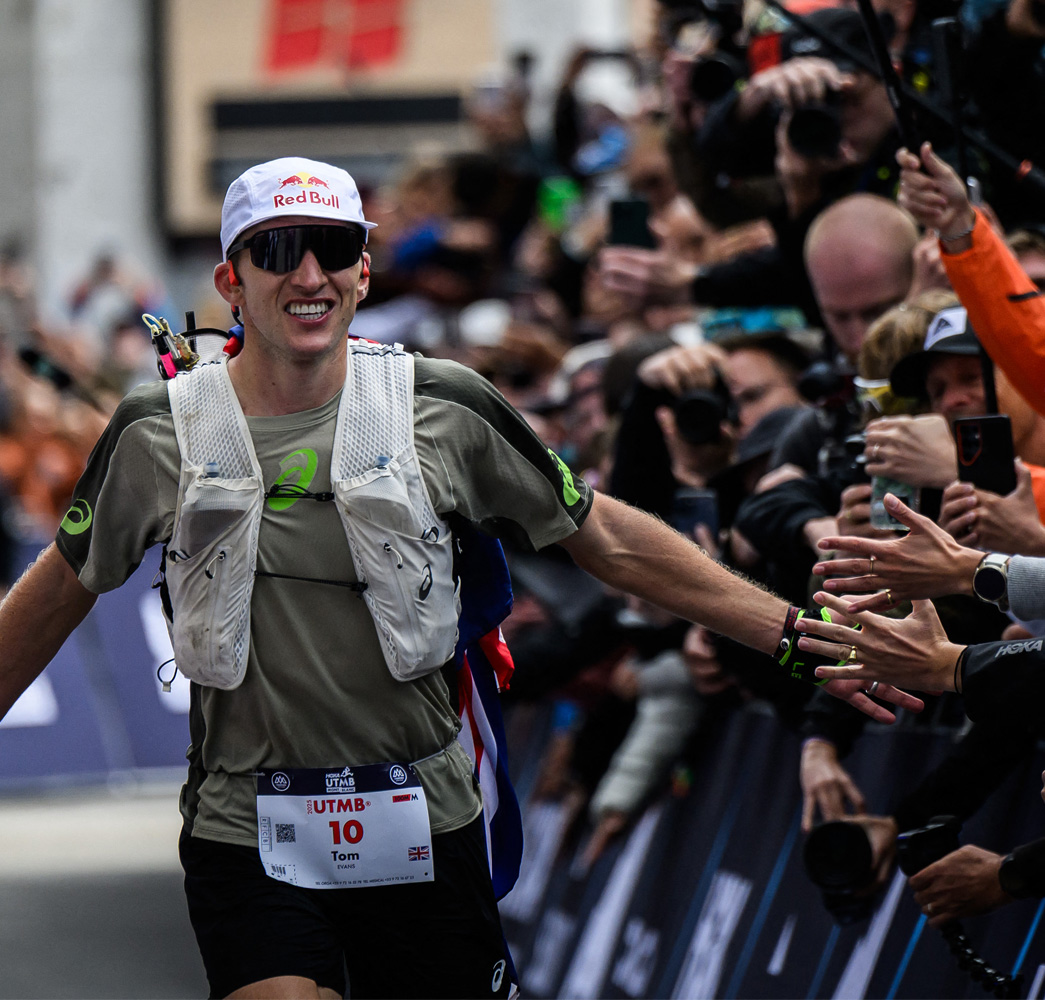
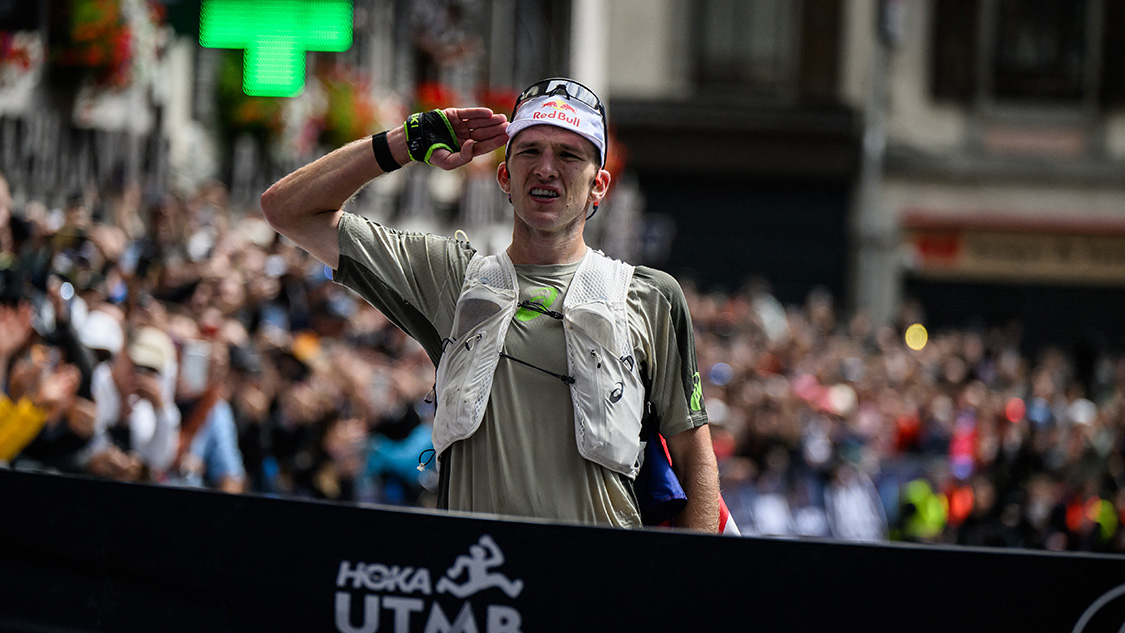
Tom, Britain’s elite ultra-runner, has spoken about how his training philosophy adapts to the realities of life and racing.
Ahead of the 2025 UTMB, Tom described how becoming a father shifted his view on routine and training commitment.
"I think the way that we have done it," he said, "is by looking very much at the demand of the event.
"If I’ve got a session, I’ll do strides and drills as I’m warming up, and then just roll into it."
This comment reveals an intelligent approach to endurance training: preparation isn’t rigid, it’s contextual.
Tom listens to what the event will ask of him - long hours, uneven terrain, fatigue management - and tailors his sessions around meeting those specific demands, not just covering mileage.
Expert Perspective: Movement With Meaning
Performance coach Dan Pfaff, who has trained Olympic champions in sprinters and jumpers, explains why specificity matters:
"Training has to be aligned with the demands of your sport," he said.
"Strength without movement quality is wasted - and movement without purpose lacks efficiency. The best athletes blend both."
Pfaff’s view aligns closely with how Jofra and Tom approach their disciplines: power and movement patterns that reflect real performance demands, not just generic exercise lists.
Movement Lessons for Everyone
Whether your goal is speed, endurance, power, or general health, the key takeaway from these elite performers is this: train with the demands of your activity in mind.
Movement isn’t random - it should echo what your body will be asked to do when it matters most.
That might mean:
- Explosive strength drills for quick, powerful bursts
- Long slow runs with adaptive pacing
- Training that respects recovery and specificity
- Warm-ups and cool-downs tied directly to performance goals
In movement, quality beats quantity - and purpose always precedes performance.