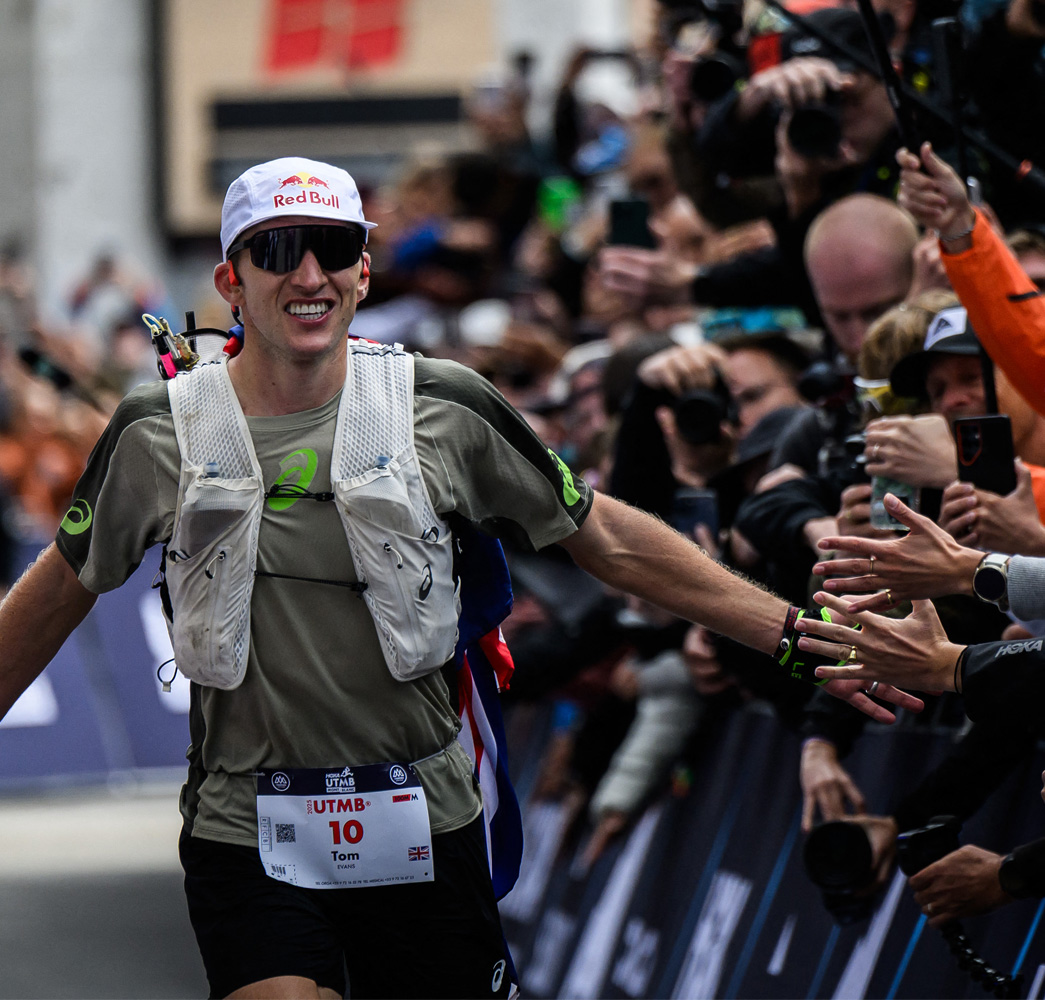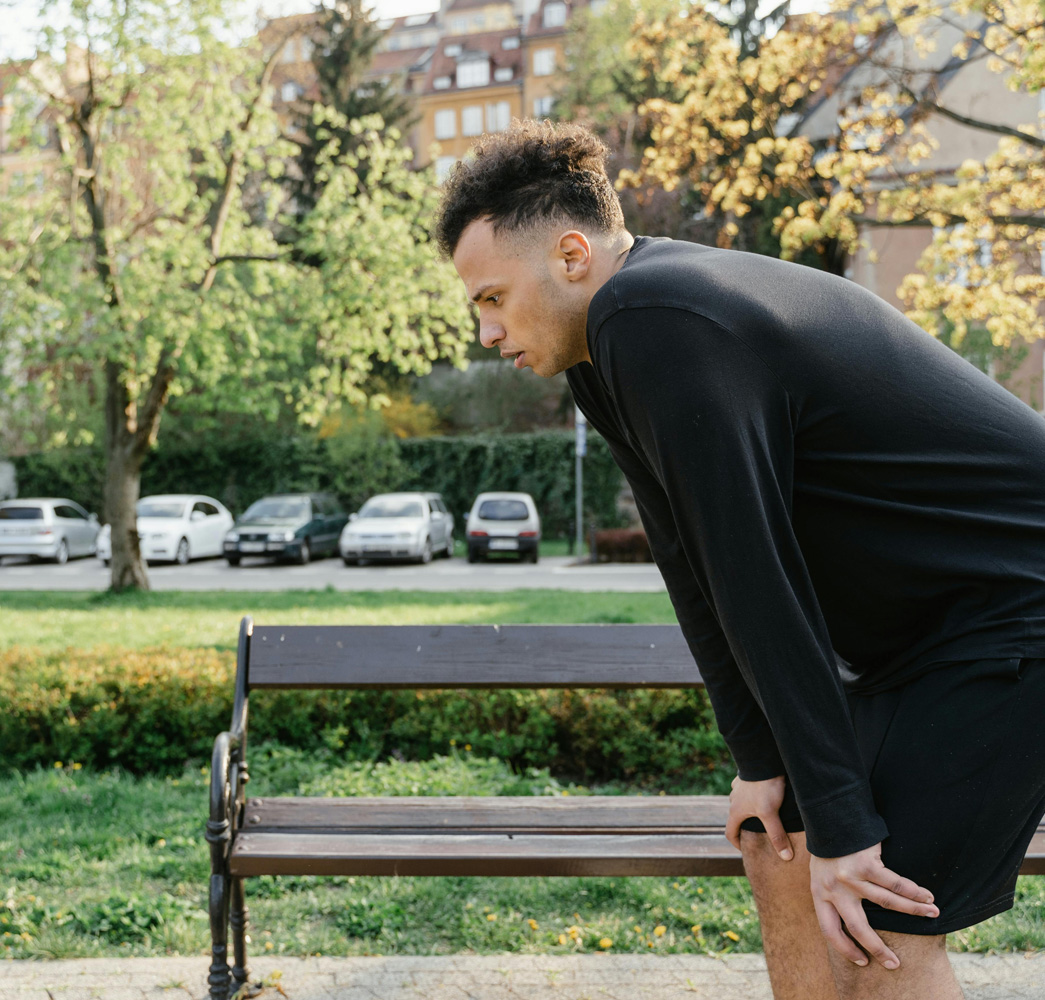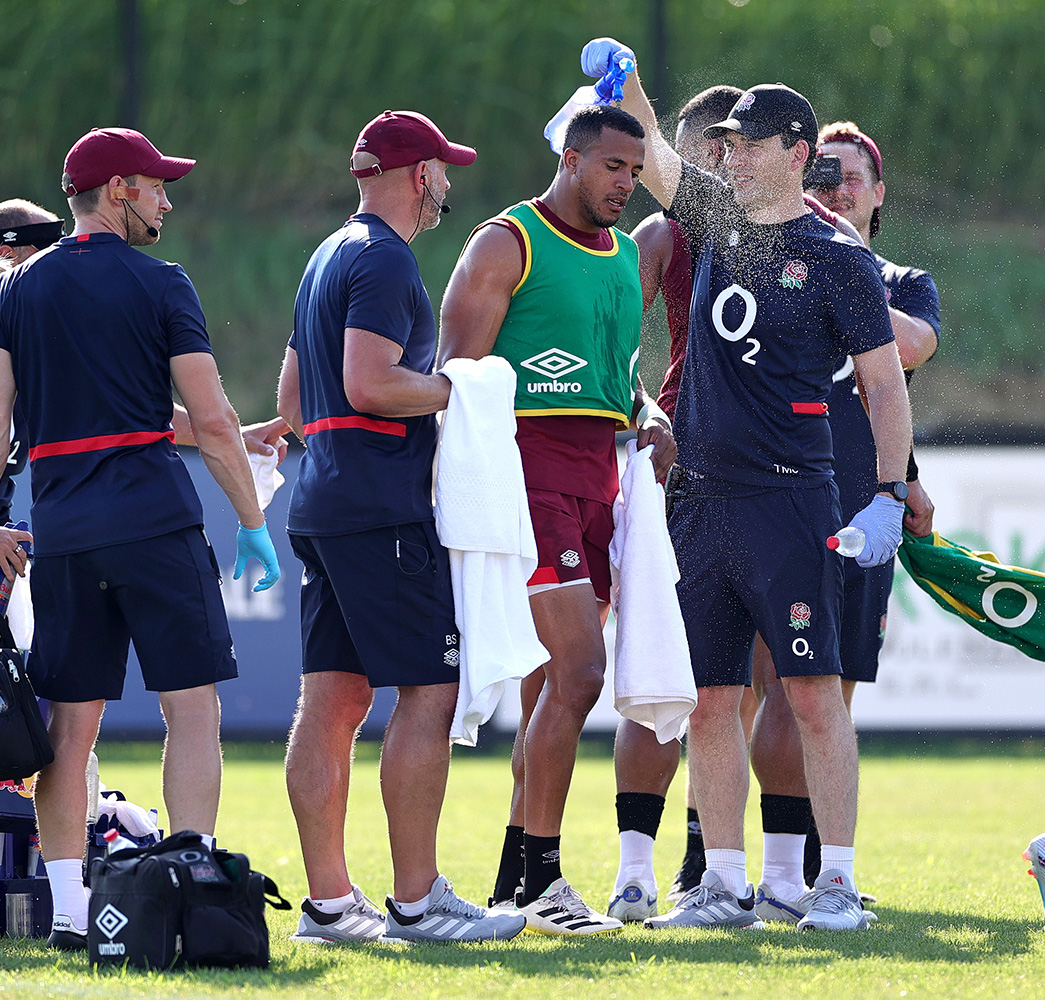

Rest isn’t a passive end to activity - for many high performers, it’s an intentional act.
This shift in perspective separates 'resting randomly' from resting purposefully, and it’s something anyone can adopt.
Here’s how top performers think about rest as a skill, not a luxury:
1. Active rest over passive rest
Instead of doing nothing, many find light activity (like walking or gentle stretching) helps circulation and reduces stiffness.
2. Mental rest matters
Time off from screens, planning and constant to-do lists helps to reset your nervous system.
3. Sleep as strategy
Regular sleep timing, purposefully winding down, and pre-bed routines create more effective recovery than random sleep bursts.
Experts emphasise that quality rest doesn’t happen by accident. It’s built into schedules and routines just like workouts are. Whether it’s a mid-afternoon walk, a short breathing break in your day, or going to bed earlier, rest can be intentional and measurable.
The Bottom Line
If recovery is the space between effort and adaptation, then structured rest is the blueprint that determines whether that adaptation happens well or poorly.