
"Your body doesn’t differentiate between the stress of a long workday and a hard session at the gym. Both create similar hormonal responses." - Dr Laura McIntyre
Whether you’re returning from stress, training, work strain or everyday life, recovery in 2026 is defined not by what you leave out, but by what you proactively build in.
Experts now talk about systematic regeneration - a planned suite of activities that target physical, emotional and cognitive recovery. Here’s how to do it.
1. Understand stress patterns
Not all stress is bad - it becomes problematic when it’s chronic.
As functional medicine expert Dr Laura McIntyre explains: "Your body doesn’t differentiate between the stress of a long workday and a hard session at the gym.
"Both create similar hormonal responses. Recovery is about managing that cumulative load, not just the workout itself.”
2. Hydration isn’t optional
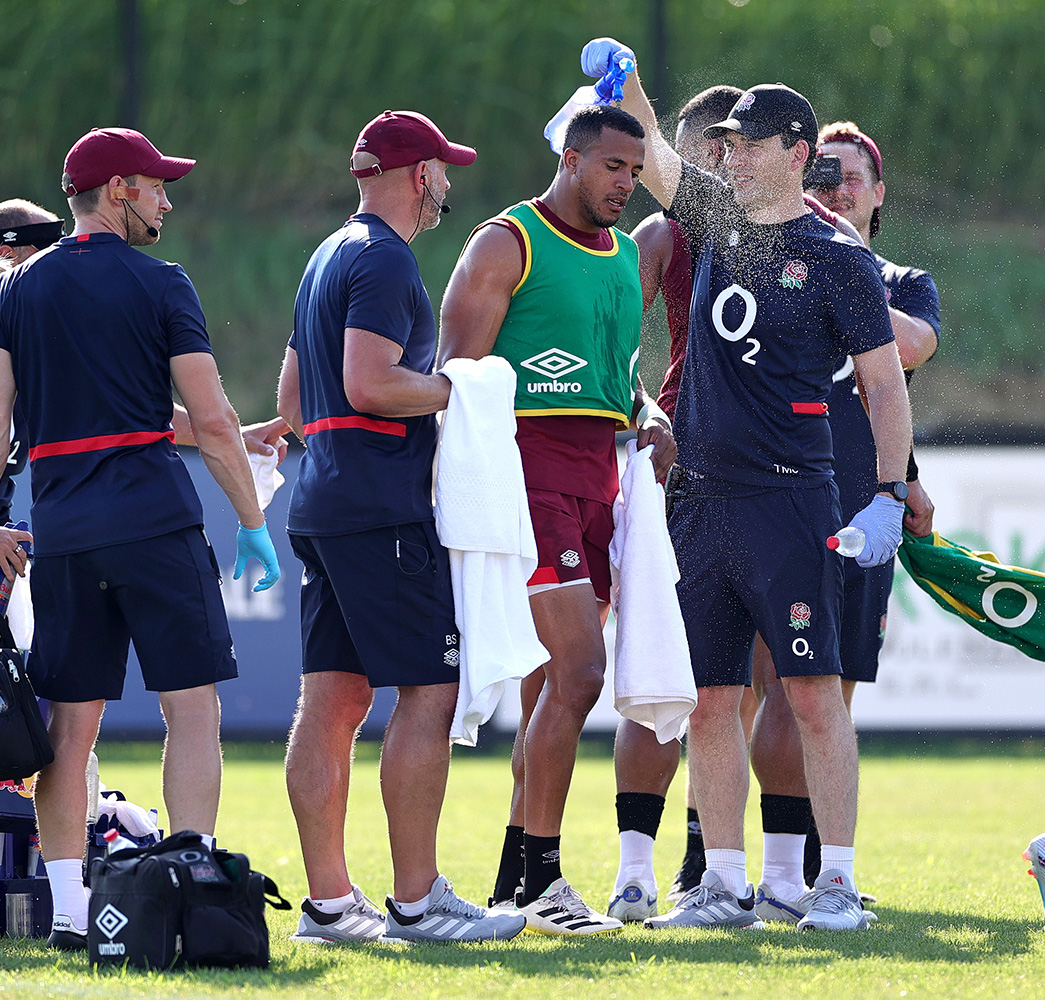
While water seems basic, subtle dehydration can dampen recovery. This is one reason wellness tech shown at CES 2026 is focusing on hydration biomarkers - even linking daily fluid balance to sleep quality and stress hormones.
Practical steps:
- Aim for regular sips, not just large amounts at once
- Pair hydration with electrolytes when training or in heat
- Track patterns over weeks, not days
3. Prioritise sleep before strength
Deep, uninterrupted sleep allows the body’s repair processes to kick in.
Here's sleep architect Prof Martin Allen:
"That first restorative non-REM cycle is often the most valuable," he says. "Protect it by reducing caffeine late in the day, and avoiding bright screens before bed."
4. Recovery isn’t one-size-fits-all
What revitalises one person might exhaust another. Personalised recovery plans - informed by workload, stress markers, sleep and goals - outperform generic routines, according to wellness data.
5. Micro-routines add up
Instead of saving recovery for big blocks, weave it into daily rhythms. Like this:
Morning: gentle mobility and hydration
Afternoon: short breathwork or a walk
Evening: tech wind-down plus restorative stretching
The bottom line
Recovery in 2026 isn’t passive. It’s strategic, intentional and personalised.
Whether your goal is to rebuild energy, sharpen focus, or just feel more present, systematic regeneration - when done consistently - is one of the most powerful levers you have.