
The bedroom is now a battleground between the need for recovery and sleep and being connected on our devices, so what’s the solution?
In the modern age, many people sleep with their phones by the bed, in case of emergencies when they need to be contactable, for entertainment and information when they can’t sleep and to act as an alarm clock in the morning.
However, the proximity of the phone when you sleep can be detrimental, with blue light emitted from screens and cortisol spikes having a big impact on the quality of sleep we are getting.
“Looking at our phones late at night triggers our fight or flight response,” says Dr Allie Hare, President of the British Sleep Society and Tatler’s Top Doctor for Sleep Medicine.
“True recovery becomes impossible. In an era of constant connectivity, the bedroom becomes a battleground between the need for recovery and sleep and being connected on our devices. Just 30 minutes of screen time used before bed can reduce sleep by up to 25 per cent.”
Zebble is the world's first phone-free sleep device with emergency reachability. A minimalist bedside pebble that allows people to remove their phones from the bedroom while staying reachable by selected contacts for peace of mind. If any of their chosen contacts try to reach out, they can take the call directly from their pebble. It works as an alarm and gives access to sleep sounds, breathwork and expert-led insights from some of the world’s leading sleep doctors.
“Athletes removing phones from their bedroom saw significantly improved sleep quality indices of up to 60 per cent, with reductions in cortisol of up to 20 per cent,” adds Dr Hare.
“This significantly improves injury recovery rates as well as athletic performance.”
Irish Olympian Brandon Arrey is a big believer in the benefits of Zebble, having sought advice to find ways away from the track to improve his performance on it.
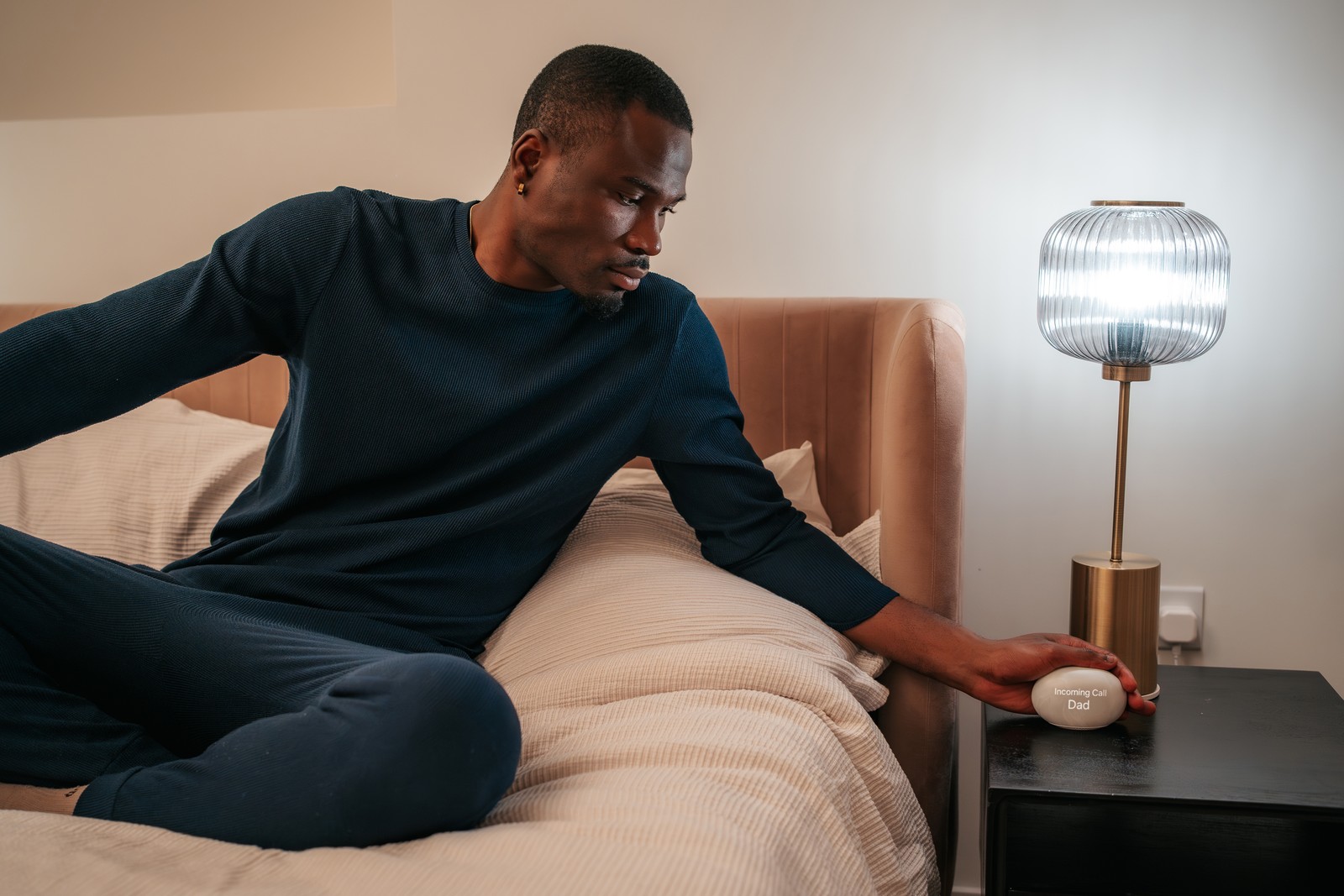
“My doctor told me, ‘If you want to perform, you have to disconnect.’ I put my phone to bed so I can properly rest,” he said.
“My trainer told me late night screen use can reduce my reaction time by up to 30 per cent. So now my trainer tracks my hours of peace to keep me committed to the routine.
“With the faster reaction time, deeper recovery, lower cortisol levels, and a massive increase in sleep quality, I'm never going back to scrolling in my bed anyway. I can recover properly without screens, but I know my family can soon reach me [if they need to].”
In fact, athletes utilising Zebble found an improved reaction time of 40 milliseconds after just one week: that could mean the difference between victory and defeat for elite athletes like Brandon.
Better sleep creates a true competitive advantage, with NFL stars, Olympians and Premier League footballers looking to Zebble to give them that edge.