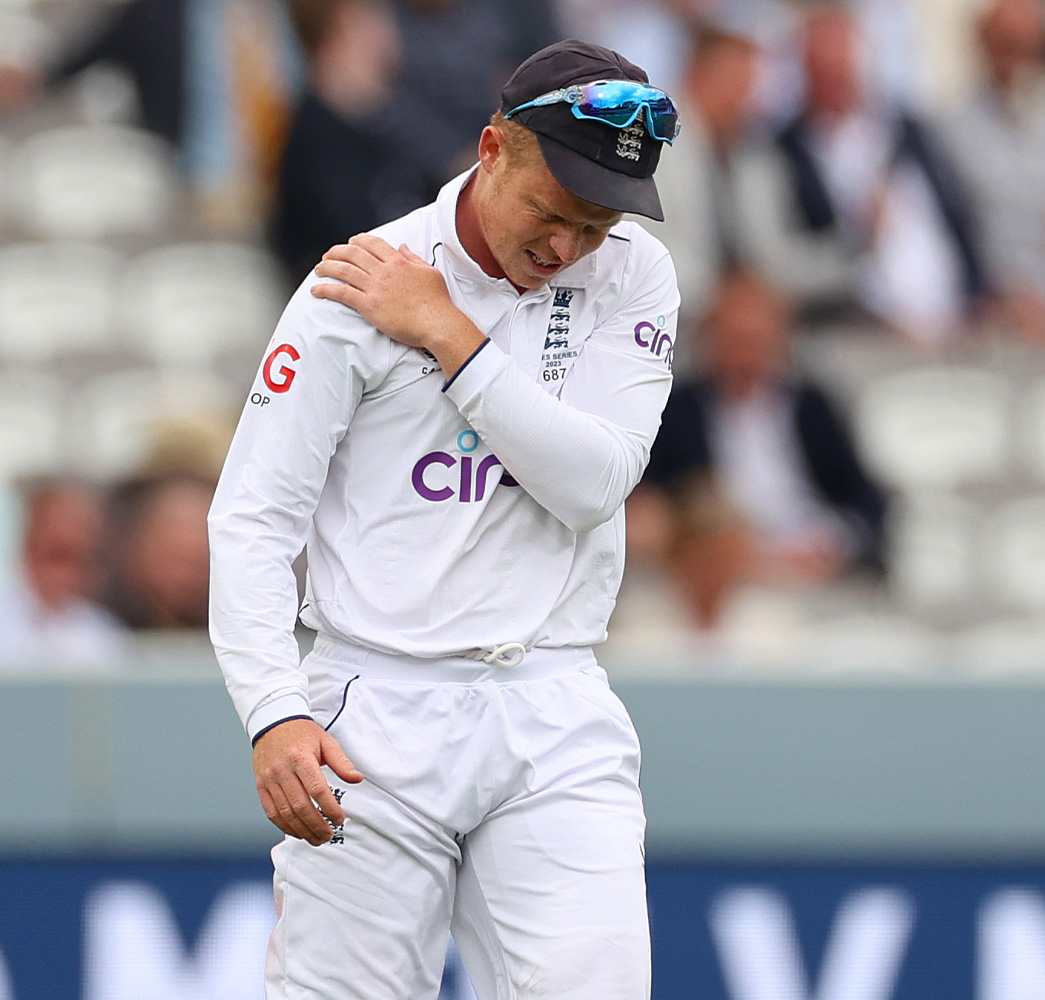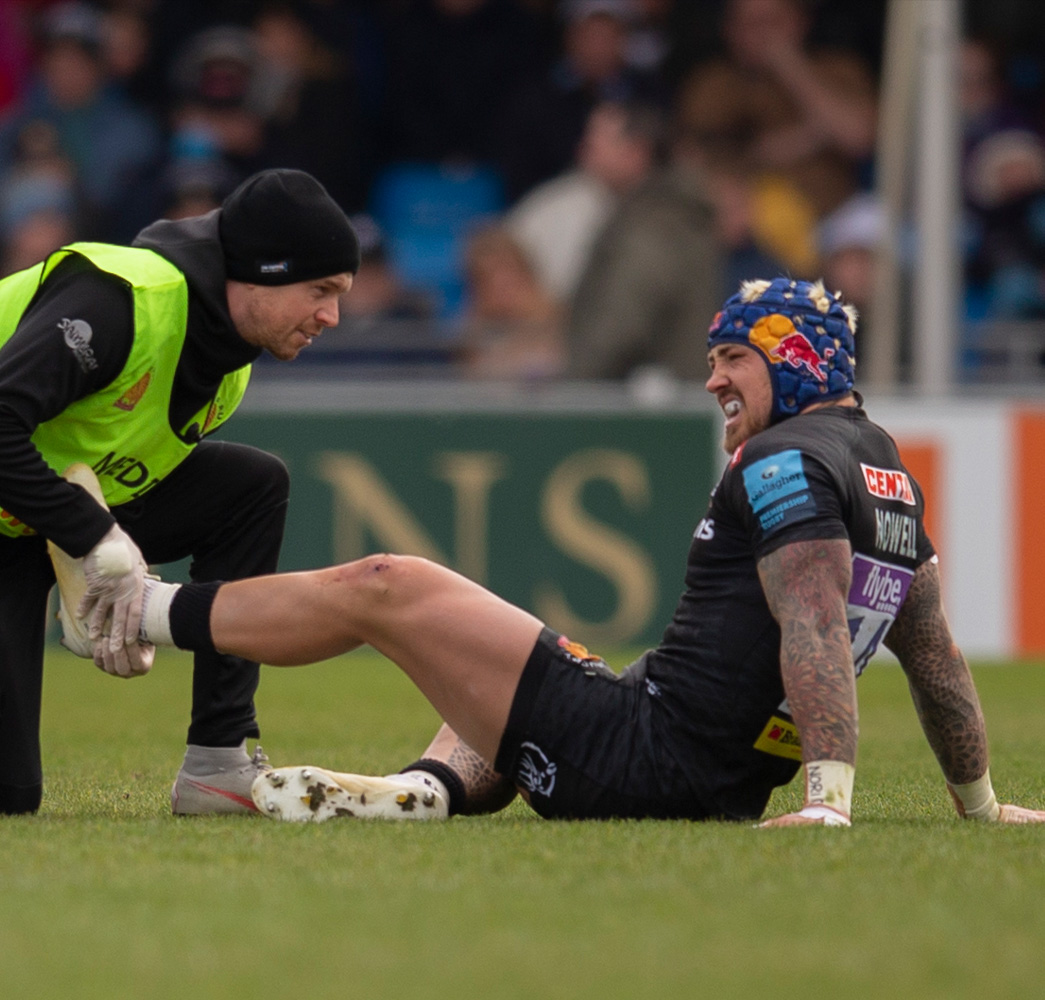

Rest doesn’t happen automatically.
It’s learned - especially in high-performing environments where reflection and pressure follow you everywhere.
Former England fast bowler Stuart Broad has spoken candidly about learning to detach between performances.
"You have to learn how to put things down," he says.
"If you carry everything with you, it catches up fast - mentally more than physically."
Recovery isn’t just about ice, massage or sleep. It’s about mental boundaries - knowing when analysis ends and rest begins.
Ebony Rainford-Brent has also emphasised how protecting emotional energy is part of recovery.
"Recovery isn’t just what you do after training," she says. "It’s how you manage your thoughts, your expectations, and your time."
Athletes who fail to switch off often experience burnout even when their physical workloads are managed.
And mental fatigue is quieter - but just as costly.
WAYS TO PRACTISE SWITCHING OFF
1. Set cut-off times for reflection
2. Separate performance from identity
3. Build rituals that signal rest
THE TAKEAWAY
If you never switch off, you never fully recover.