
Not all movement is about improving fitness. Sometimes, its greatest value is psychological.
In high-pressure environments, athletes increasingly use movement as a way to regulate stress rather than chase performance outputs.
Ultra-runner and 4CAST athlete Tom Evans has spoken openly about how easy runs help him manage emotional load.
"Some of my easiest runs are the most valuable mentally," he says. "No pace targets, no pressure. Just moving, letting the nervous system settle and giving the mind space."
This type of movement activates the parasympathetic nervous system - the part responsible for rest, recovery and calm. It’s why walking, stretching or gentle cycling often feels restorative rather than draining.
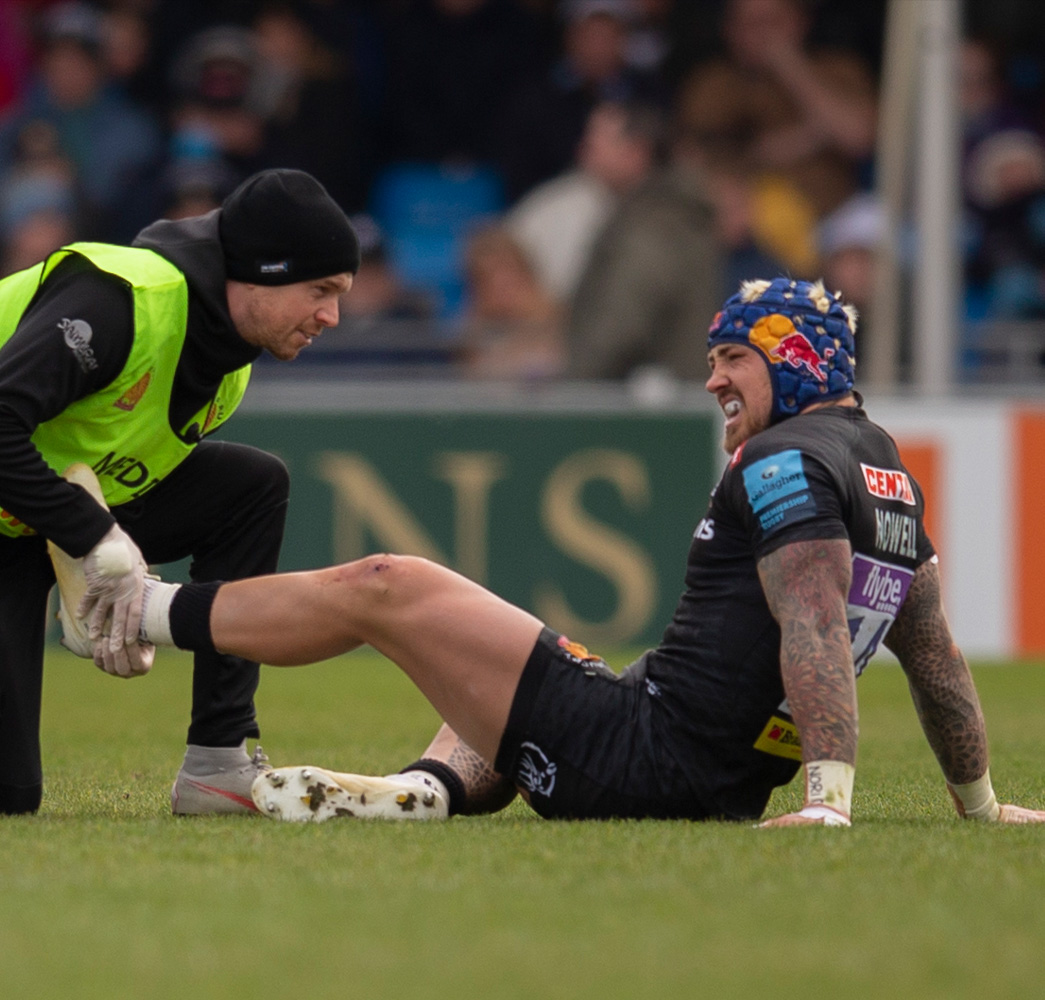
Rugby star Jack Nowell has echoed similar sentiments when talking about managing life away from competition.
"There are times when you don’t need more intensity - you need space," he says. "For me, light movement or getting outdoors helps clear the head without adding more stress."
The key difference is intention. When movement is stripped of metrics and expectations, it becomes a tool for emotional regulation.
WAYS TO USE MOVEMENT AS A RESET
1. Walk without headphones or distractions
2. Stretch without a timer
3. Move without tracking or recording
THE TAKEAWAY
If movement feels like another task, it’s lost its purpose. Sometimes the goal isn’t fitness - it’s calm.