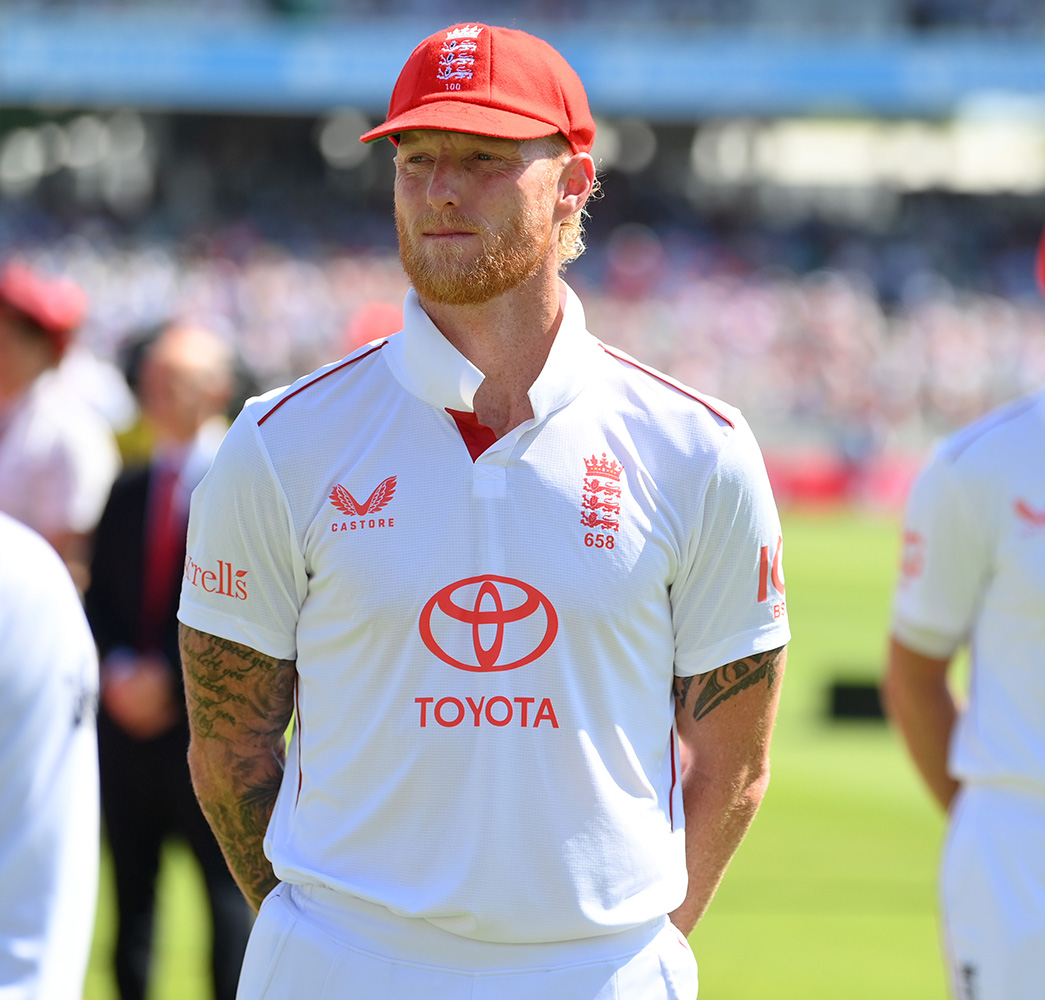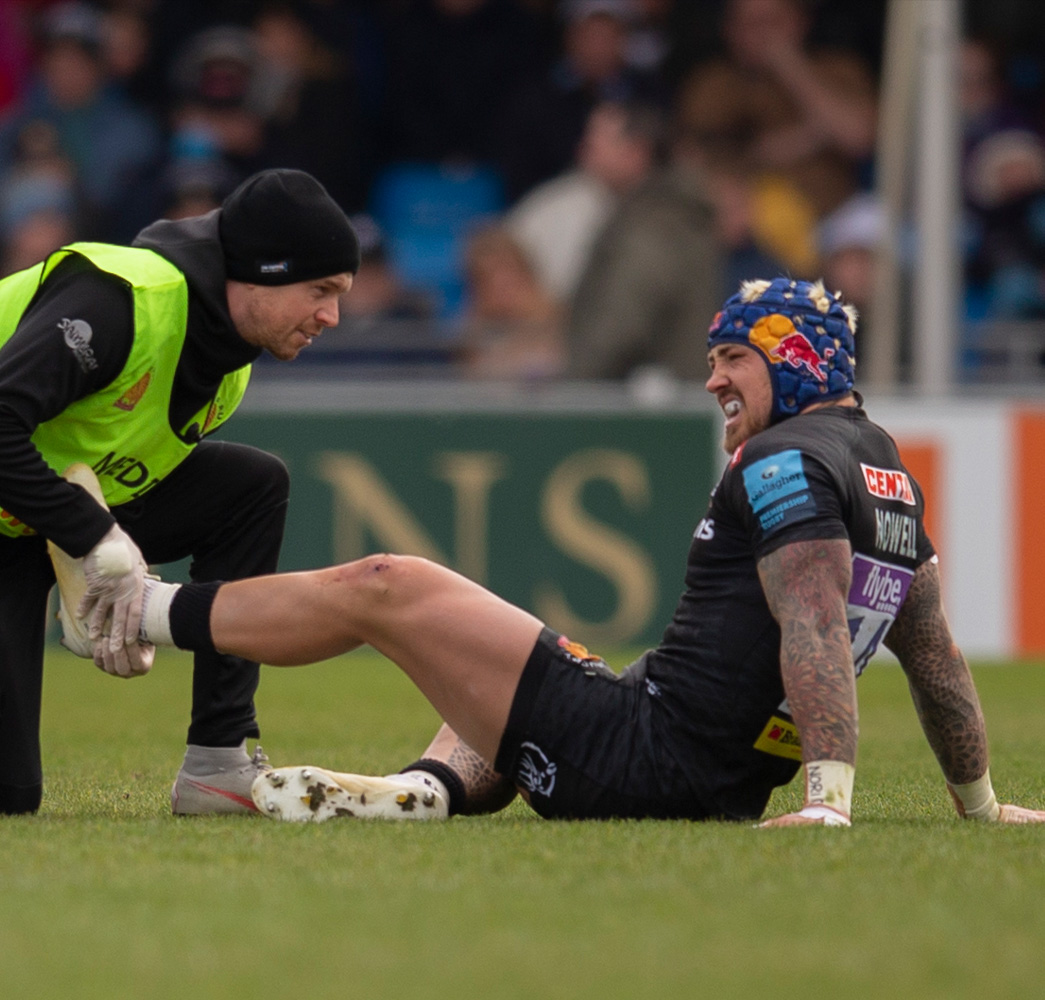

"You have to find ways to get away from the game mentally. Otherwise it can consume you." - Jason Roy
The final whistle does not immediately silence the nervous system.
Competition elevates adrenaline and cortisol. The body remains physiologically activated long after the physical demands stop.
Athletes frequently report difficulty sleeping after night matches — even when physically exhausted.
Dr Michael Gervais, high-performance psychologist, has emphasised in interviews that recovery must be deliberate: decompression does not happen automatically.
THE ADRENALINE HANGOVER
Post-competition, athletes often enter what some practitioners call an 'adrenaline hangover'. The body remains in a heightened state, replaying moments and analysing decisions.
Without structured down-regulation, that state bleeds into sleep disruption.
England bowler Matty Potts has spoken about the importance of separating himself from the game once competition ends.
"Above all it’s nice sometimes to just put your phone away and switch off for a bit," he said.
Creating space away from constant stimulation allows the body and mind to settle after intense competition.

THE DIGITAL TRAP
Modern sport adds a new layer: immediate digital feedback.
Social media, performance clips and commentary create a second wave of stimulation after the event.
Athletes who scroll immediately post-game often struggle to disengage cognitively.
For England batter Jason Roy, switching off has been an important part of sustaining performance over long seasons.
"You have to find ways to get away from the game mentally," he said. "Otherwise it can consume you."
The challenge is not simply physical recovery, but psychological decompression.

STRUCTURED DECOMPRESSION
Effective decompression strategies vary, but often include:
- 20–30 minute low-stimulation walks
- Music routines
- Delayed performance analysis until the following day
- Device-free windows before bed
The goal is not avoidance. It is regulation.
Long careers are not built solely on physical resilience. Psychological pacing matters just as much.