
'Most ACL injuries happen when the body loses control, not when it takes impact.' - Mark Shepherd
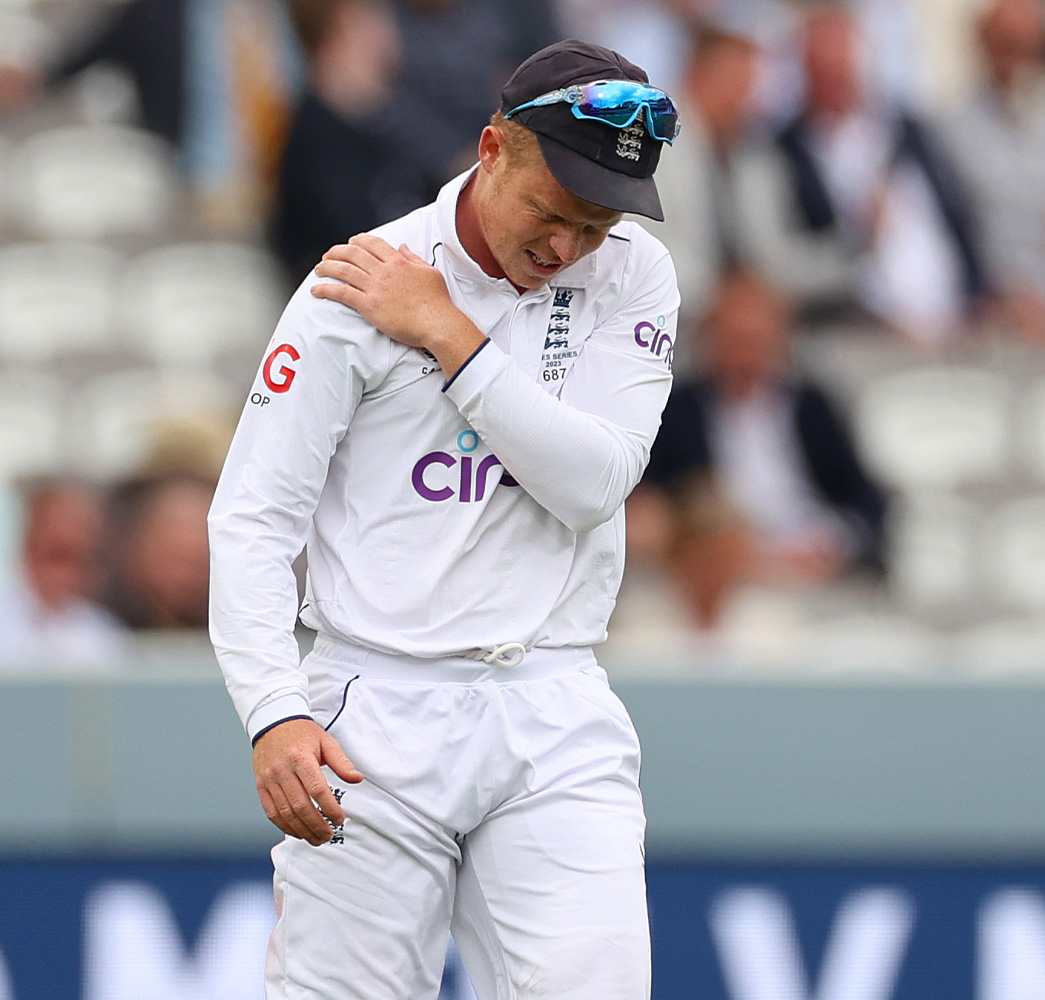
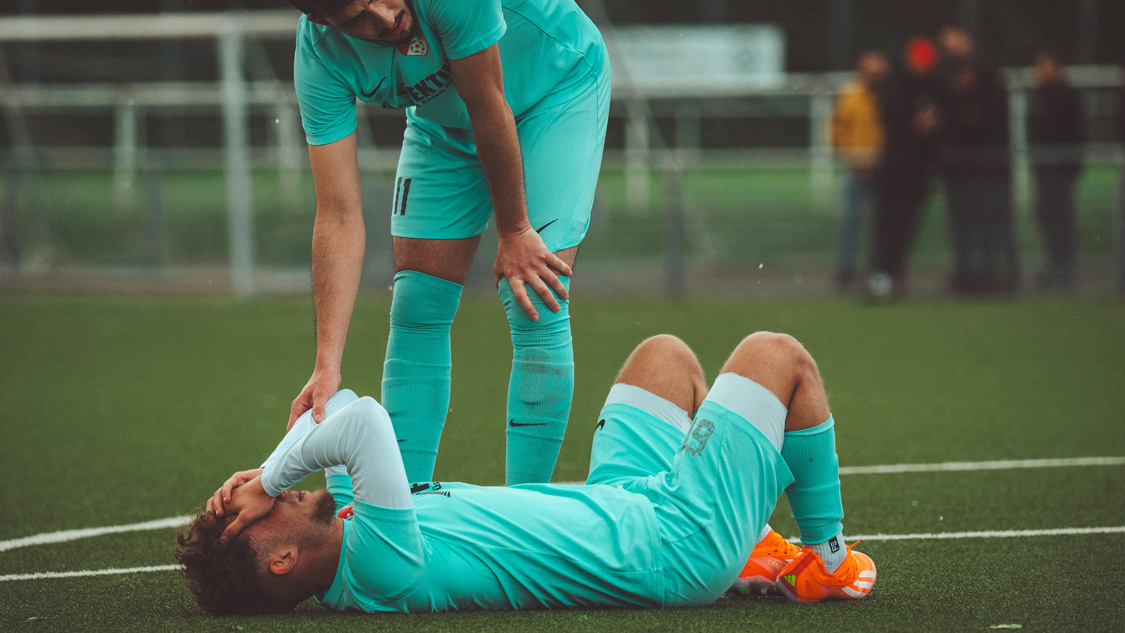
When people think of ACL injuries, they often picture contact - a tackle, a collision, a heavy fall.
But a large number of ACL injuries happen without any external force at all.
A plant. A turn. A landing.
And suddenly, the knee gives way.
THE REAL PROBLEM: LOSS OF CONTROL
Non-contact ACL injuries usually occur when movement becomes uncontrolled.
That might mean:
- the knee collapsing inward on landing
- poor deceleration mechanics
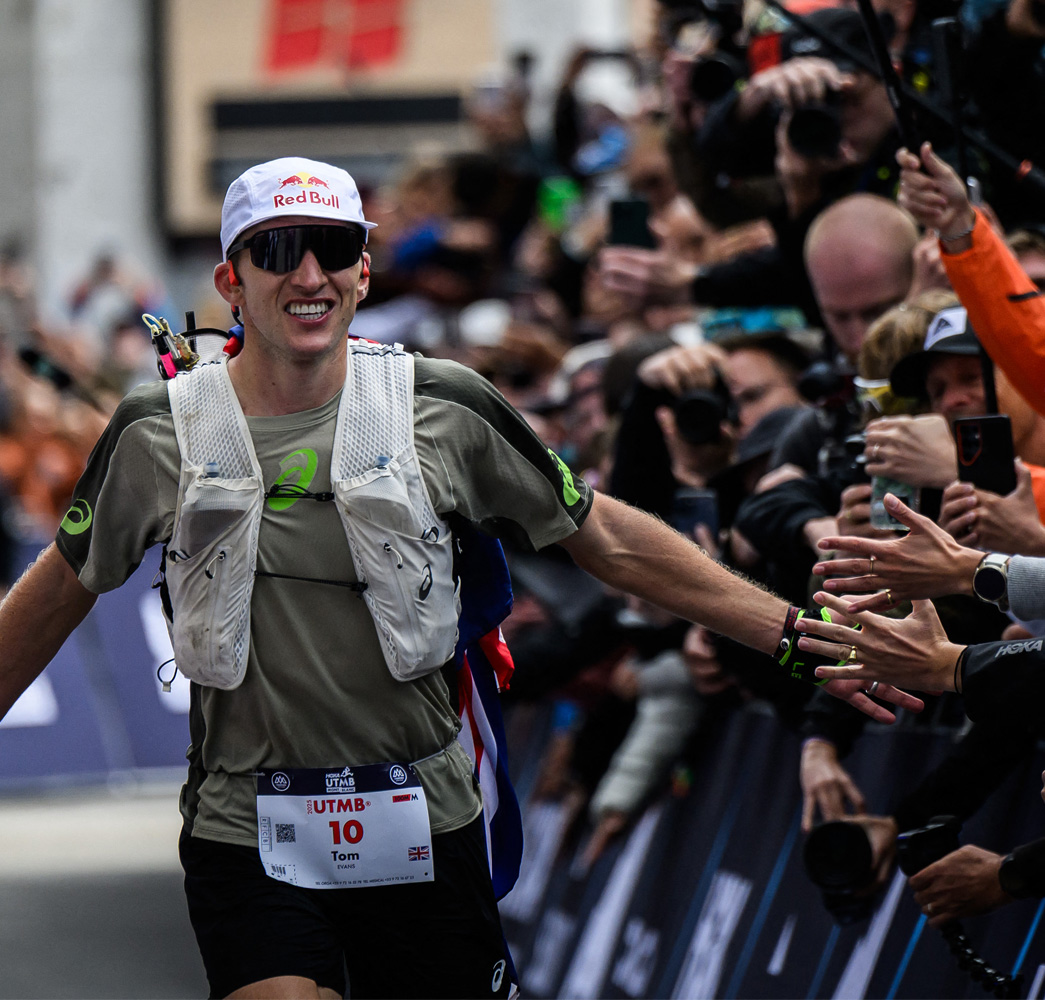
- fatigue affecting coordination
In isolation, these moments don’t look dramatic. But under speed and load, they create the perfect conditions for injury.
Strength and conditioning coach Les Spellman, who works with elite athletes across multiple sports, has emphasised how important movement quality is under fatigue.
"It’s not just about how strong you are," he says.
"It’s how well you can control that strength at speed."
WHY ATHLETES GET THIS WRONG
The biggest misconception is that strength alone prevents injury.
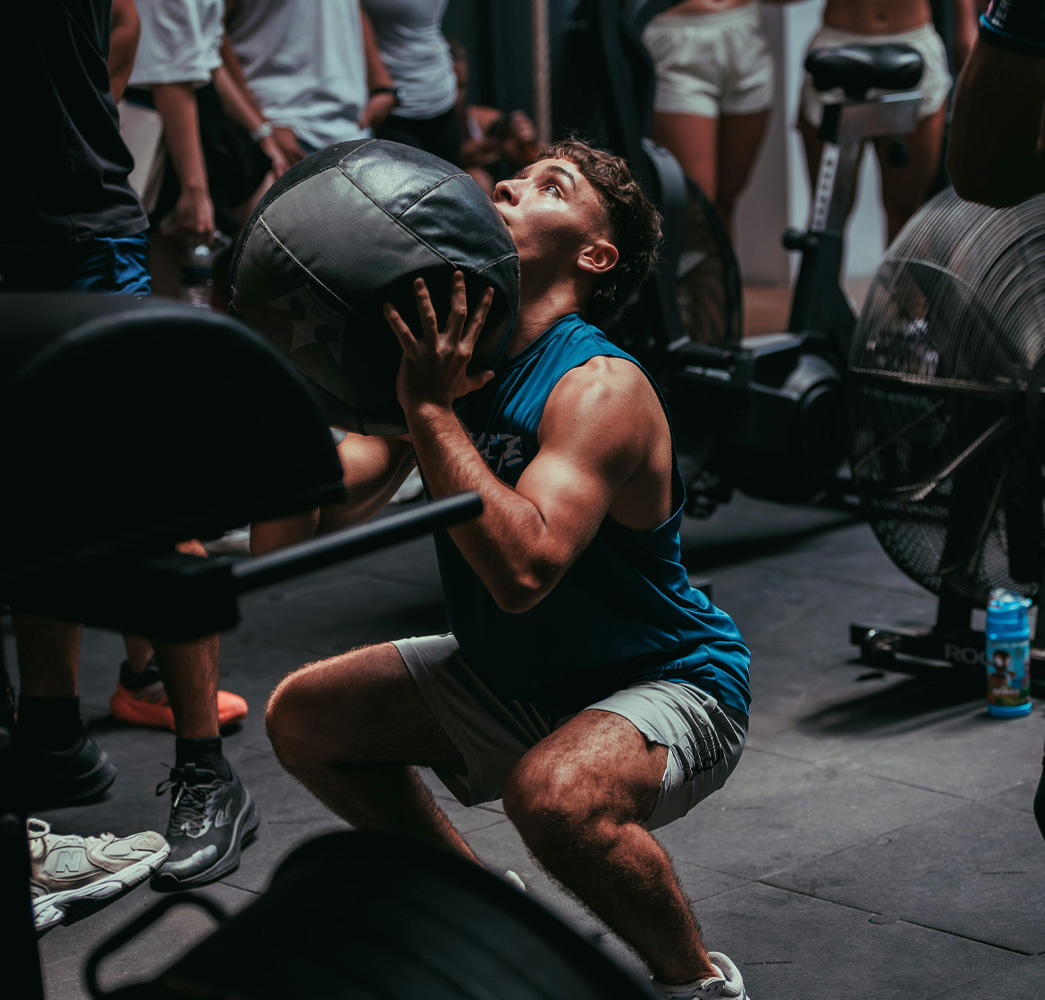
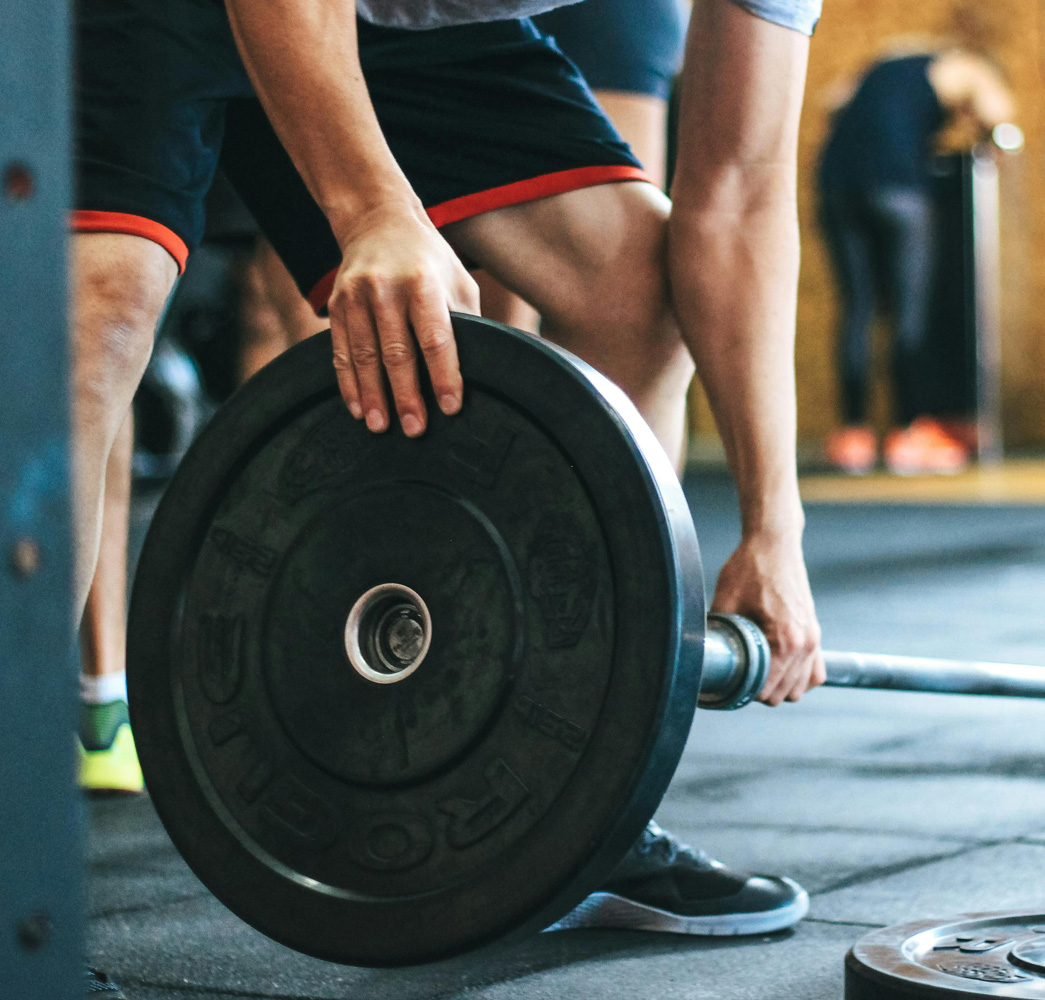
Athletes spend hours building power - squats, lunges, jumps - but far less time on:
- deceleration
- landing mechanics
- single-leg control
So when fatigue sets in, the system breaks down.
The body has the strength - but not the control.
THE MOMENT THAT MATTERS
ACL injuries often happen late in sessions or games.
Not because athletes are weaker - but because they’re less coordinated.
That’s when:
- landings become heavier
- reactions slow
- positions drift
And the margin for error disappears.
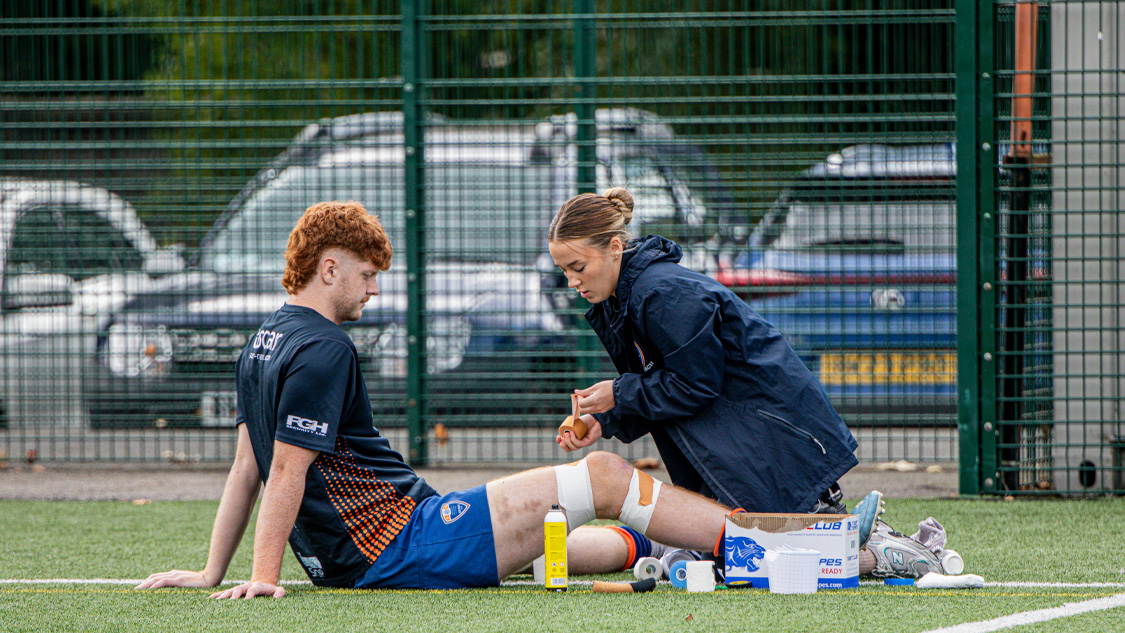
WHAT ACTUALLY PREVENTS IT
Prevention is about control, not just strength.
1. Train deceleration: learn how to slow down, not just speed up
2. Own single-leg stability: control your body on one leg under load
3. Practise landing mechanics: soft, controlled, aligned
4. Train under fatigue: because that’s when injuries happen
THE TAKEAWAY
ACL injuries aren’t always about impact.
They’re about moments where control breaks down.
Train for those moments - and you reduce the risk.