
The old-school rest day was simple: do nothing.
The modern rest day? It’s smarter, structured, and designed to actually improve performance.
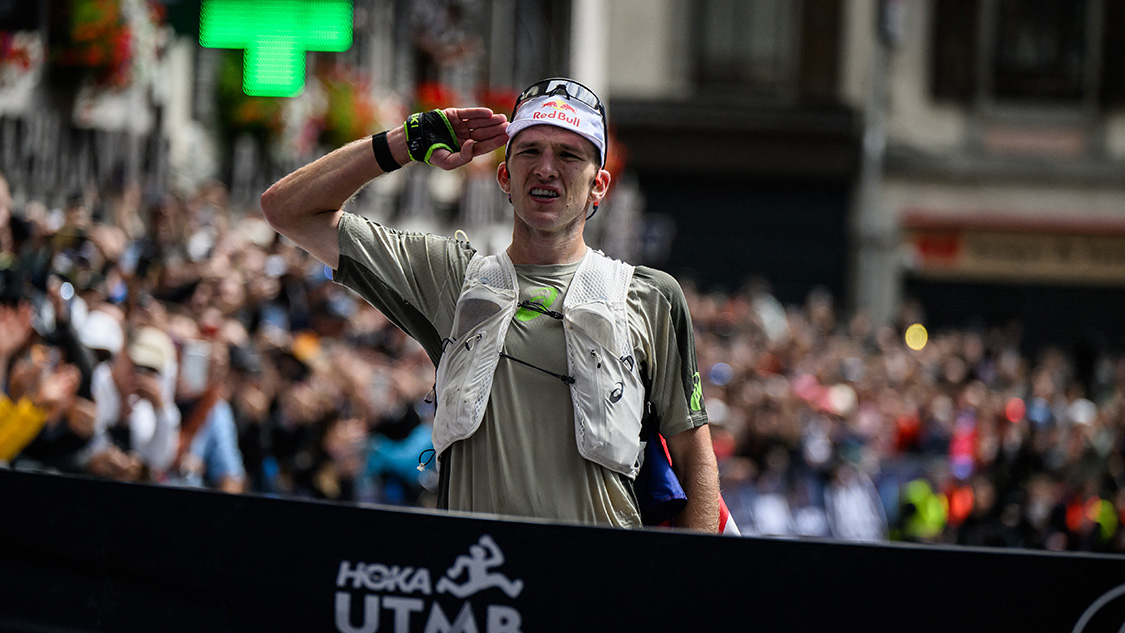
"My best sessions happen after my best rest days," confirms Tom Evans.
The British ultra-runner and 4CAST star - one of the world’s leading endurance athletes - often talks about how strategic rest has transformed his training."
My best training blocks haven’t come from pushing harder - they’ve come from respecting recovery," he says.
"If I switch off properly and take the right kind of rest day, the next session is always better."
For an athlete who runs for hours at a time, rest days are not optional. They’re performance enhancers.
Why Rest Days Are Changing
Sports science has shifted away from the idea that rest equals stillness.
"Rest is adaptation time," explains Professor Stuart McGill, a leading spine and biomechanics expert.
"It’s when the body rewires what you’ve done in training. Without it, you’re just doing damage without adaptation."
Recovery isn’t passive - it’s a different type of training.
Three Types of Modern Rest Days
1. Mobility and circulation days - gentle movement that boosts blood flow and helps tissues recover.
This can include:
- Light mobility circuits
- Easy 20–30 min walks
- Yoga or stretch routines
- Foam-rolling
Tom Evans often uses mobility-based rest days to "keep the legs feeling alive without adding load."
2. Nervous system reset days - breath work, light meditation, contrast therapy or sauna - designed not for muscles, but the mind and the nervous system.
This is useful for:
- Overwhelm
- High training volume
- Emotional fatigue
3. Technical flow days - athletes increasingly use rest days to rehearse light technique without intensity.
For runners, that might be:
- Drills
- Strides
- Short coordination sessions
For cricketers:
- Light footwork patterns
- Gentle shadow swings
Minimal exertion, maximal benefit.
Expert Insight: Why It Works
Sports physiologist Dr. Shona Halson, the former head of recovery at the Australian Institute of Sport, explains:
"The rest day isn’t stepping back - it’s preparing to step forward. Good recovery improves consistency, and consistency builds performance."
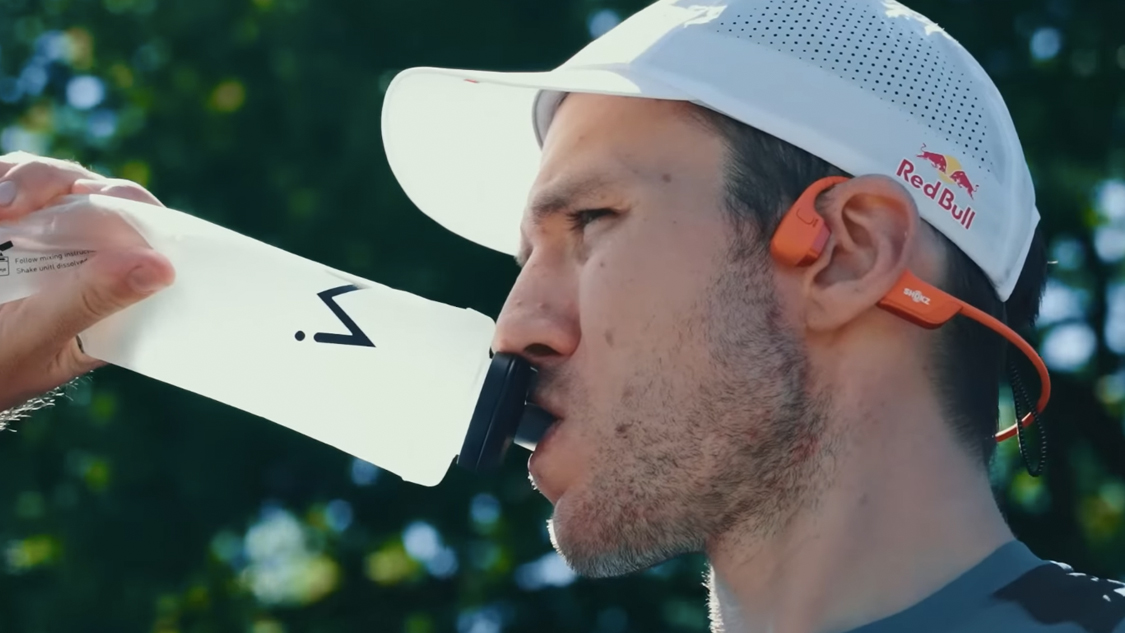
This philosophy mirrors what athletes like Tom Evans practise daily.
Because doing nothing doesn’t make you stronger. Doing the right sort of nothing does.
As Tom says: "Rest isn’t the day off - it’s part of the plan."