
Movement in 2026 is less about grinding harder and more about moving with purpose.
Across sport, wellness and tech, the direction is clear: smarter habits, better balance, and training that protects your long-term health.
Here are the five biggest MOVE trends to watch - including expert perspective and athlete insight.
1. Micro-Workouts Become the New Normal
Short, frequent bouts of movement evolve from a trend into a lifestyle standard. Workplaces are experimenting with 'movement breaks', gyms are programming five to eight-minute sessions, and trainers are designing mobility stacks people can repeat throughout the day.
Liam Livingstone put it neatly: "It’s the small bits of movement I do all day that make the biggest difference. Five minutes here and there adds up more than people think."

2. Strength Training for Longevity Goes Mainstream
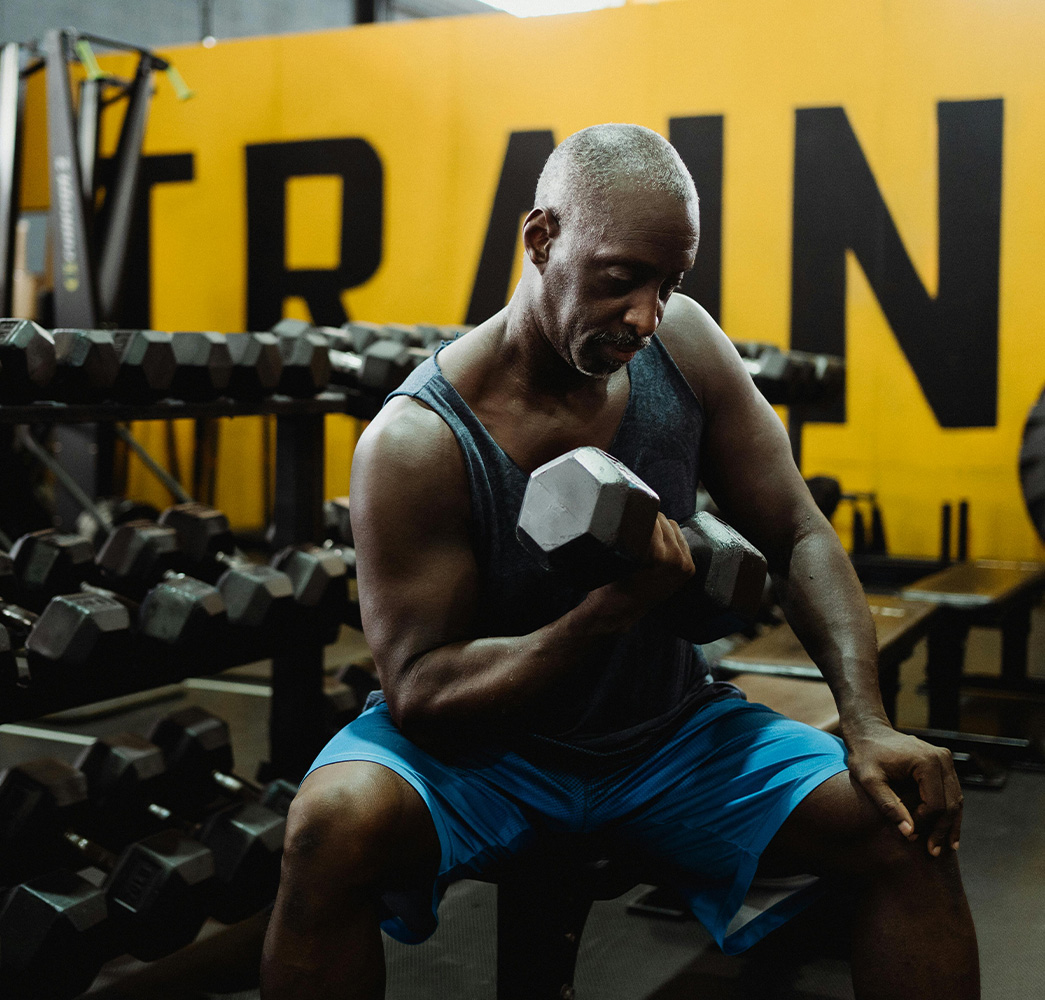
2026 is the year strength training steps away from aesthetics and becomes the foundation of long-term health. Expect to see more people - especially women aged 40 and over - prioritising lifting for bone density, power and resilience.
"We’re finally treating muscle like a long-term health asset," says physio Mike Davison. "Not big muscle - capable, protective muscle.”
3. AI-Enhanced Coaching for Everyday Athletes
Wearables and gym tech will provide real-time form corrections, auto-adjusted training loads and early warnings of overtraining. AI won’t replace coaches, but it will make guided training accessible to everyone.
Dr. Hannah Wilks, strength researcher, says: "AI won’t do the work for you, but it will stop you doing the wrong work - and that’s where most injuries begin."
4. Movement as Mental Reset
Physical training is becoming a cognitive tool as much as a fitness one. Perception drills, reaction-based training and movement for emotional regulation continue to grow - supported by evidence linking activity to creativity and clarity.
Here's Ebony Rainford-Brent: "If I’m stuck mentally, I don’t sit at my desk. I move. Something shifts in your head the moment your body starts working."
5. A Shift Toward Sustainable, Enjoyable Training
The all-or-nothing era is fading. People want routines that feel good, fit their lives, and don’t break them. Expect programmes built around recovery windows, seasonal rhythms and moderate intensity rather than constant peaks.
The mindset is simple: consistency instead of reinvention.