
'Even in my most stressful moments before major championships, going out for a light session or a simple jog made everything feel clearer' - Jessica Ennis-Hill
Most of us were raised to think fitness means repeating the same activity over and over.
If you’re a runner - you run. If you lift - you lift. If you play a sport - you train for that sport.
But one of the biggest insights coming from elite performance teams right now is simple:
To move well in your sport, you need to move outside your sport.
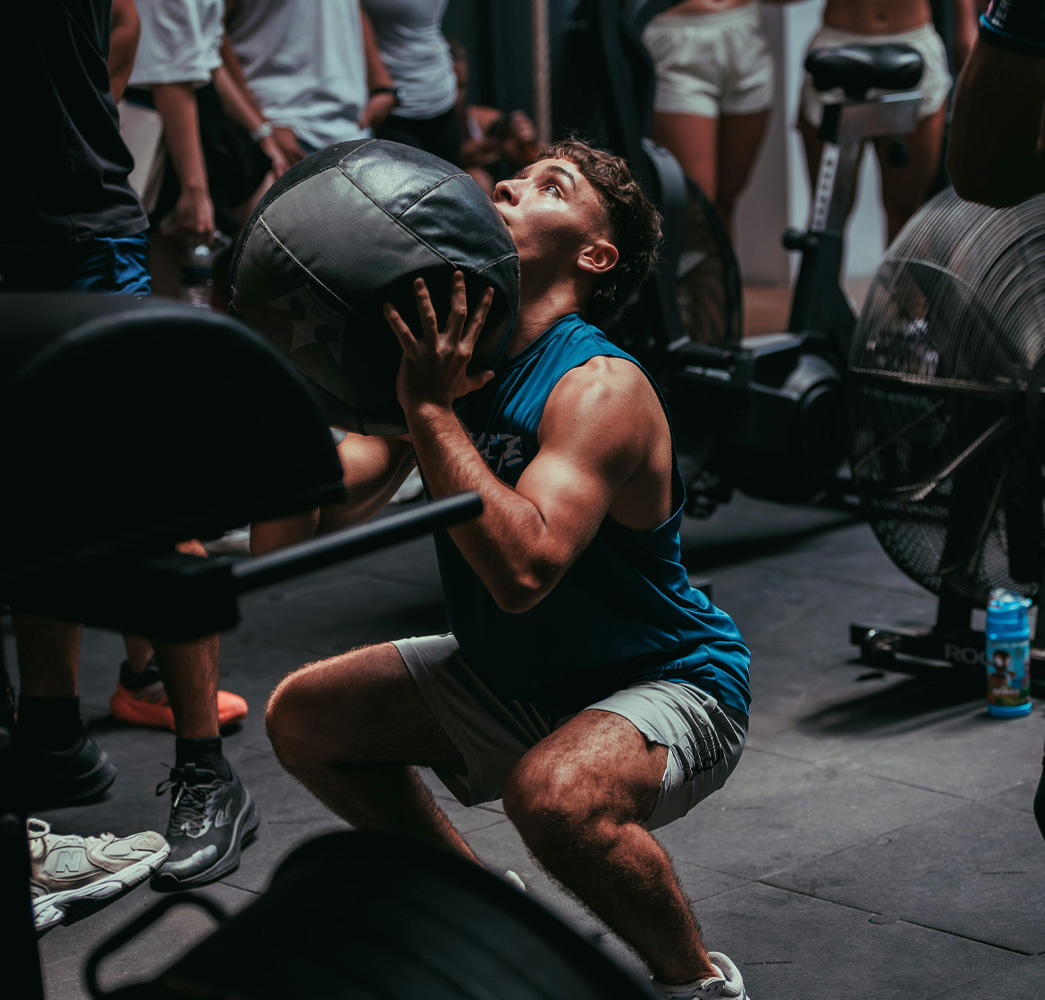
That’s where cross-training comes in - building strength, mobility, coordination and resilience through movements you don’t normally do.
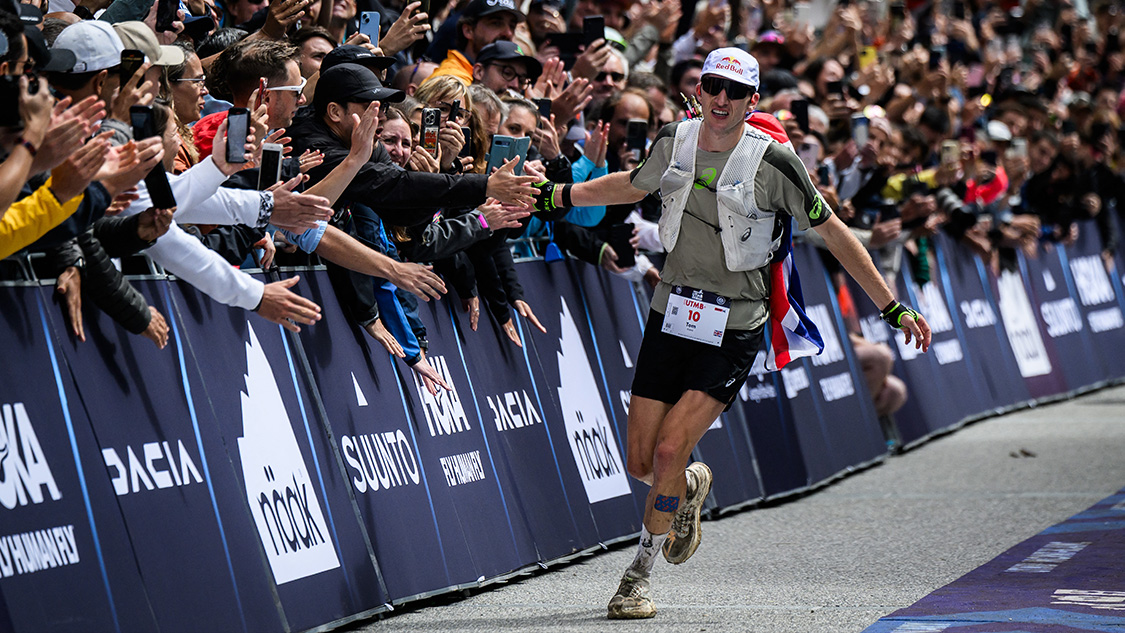
Ultra-runner and 4CAST athlete Tom Evans has built a reputation as one of Britain’s most versatile endurance athletes. Speaking to Red Bull about why he puts so much emphasis on cross-training, he said:
"Strength and conditioning is absolutely crucial. You can’t just run and expect your body to cope with everything you’re asking it to do.
"Strength and conditioning keeps me robust and improves everything - technique, mobility, power. If you don’t do it, you won’t be resilient enough."
For someone who races 50 to 100 miles at a time, resilience is everything, but Evans’ point translates perfectly to everyday training - because your body thrives on variety.
The science behind cross-training
For an expert view, let's hear from Dr. Kate Spalding, a sports scientist and strength and conditioning consultant who works with both amateur and elite athletes.
1. It strengthens the weak links
“Every primary sport creates imbalances,” Dr. Spalding explains. Runners overuse hip flexors. Cyclists often lack upper-body strength. Lifters can lack rotational mobility. Cross-training fills these gaps.
2. It reduces injury risk
By developing strength through different planes of motion, cross-training "makes the body more adaptable to stress," according to Spalding. That means fewer niggles, and fewer layoffs.
3. It boosts your main sport
As Dr Spalding explains, adding mobility or strength in complementary areas "lets athletes express their skills better. They can hit harder, run smoother, rotate faster."
4. It improves motivation
Changing stimulus keeps training enjoyable and psychologically refreshing - which is vital in winter months.
How athletes use cross-training (and what you can borrow)
Tom Evans: strength for resilience
4CAST athlete Tom lifts two to three times times per week, focusing on hip stability, posterior chain strength and plyometrics.
Steal this: add single-leg work (split squats, step-downs) to your routine.
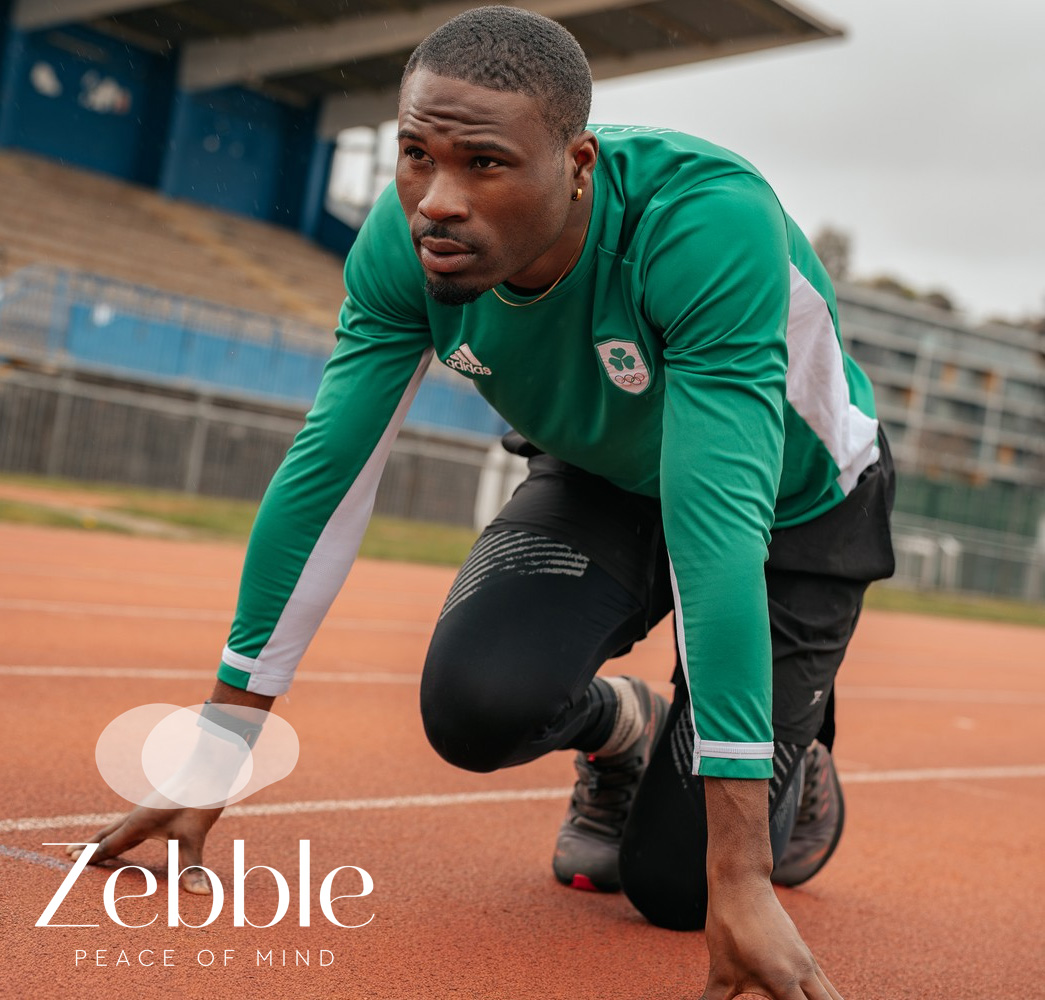
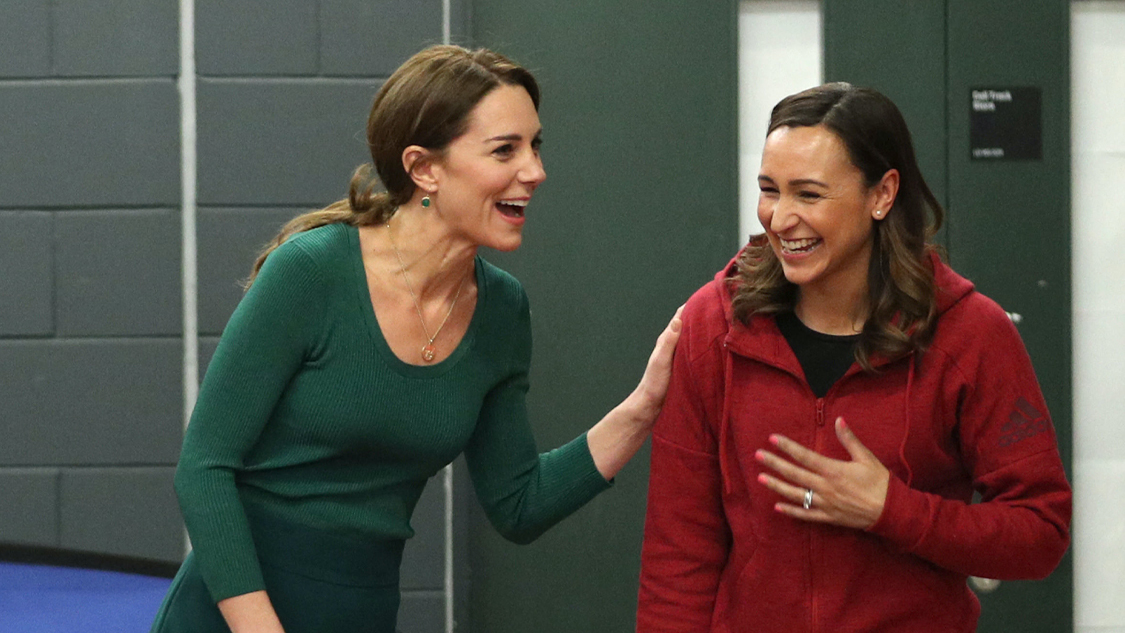
Jessica Ennis-Hill: mobility plus low-impact conditioning
For the 2012 Olympic heptathlon champion, low-impact movement :keeps the body fresh: between harder sessions.
Steal this: include cycling or rowing on easy days to flush soreness.
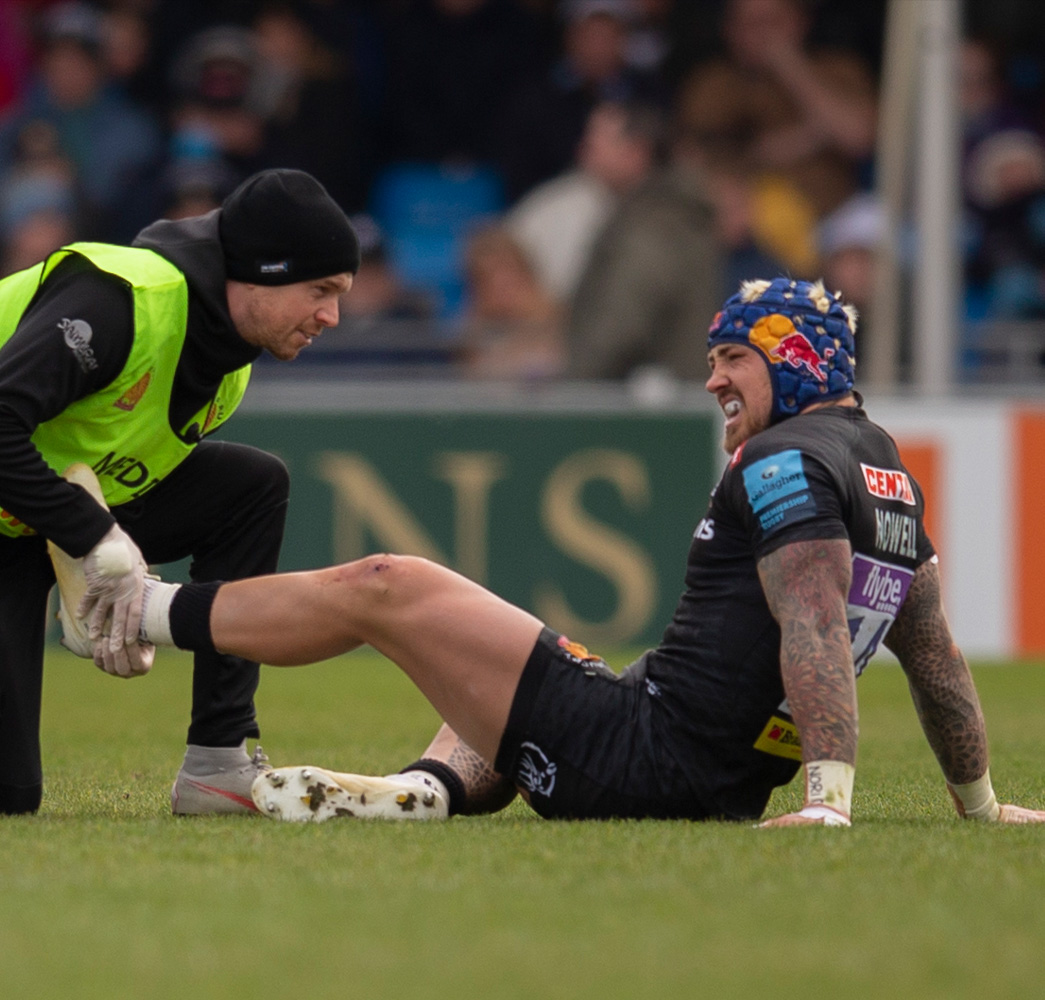
Jack Nowell: swimming and low-impact cardio
During injury rehab, Jack used swimming to maintain conditioning without load.
Steal this: when you’re sore or stiff, swap a run for the pool.
Ebony Rainford-Brent: boxing for upper-body power
The former England cricketer has spoken about using boxing-style drills during training with Surrey to develop conditioning and rhythm.
Steal this: add pad-work intervals or shadow boxing to elevate heart rate without pounding joints.
A beginner-friendly cross-training template
Twice weekly, 20-25 minutes session
Warm-up (3 minutes):
Marching + arm circles + hip circles
Block 1 (8 minutes):
Thirty seconds each on bodyweight squats, reverse lunges, glute bridge - and repeat three times
Block 2 (8 minutes):
Take your pick from easy rowing, cycling at conversation pace, or jogging or walking intervals
Cool down (4 minutes):
Cat-cow + hamstring stretch + thoracic rotation
The bottom line
Cross-training isn’t about doing more. It’s about doing different.
And whether you’re chasing performance, longevity or simply want to feel better in your body, adding new movement patterns might be the simplest, smartest upgrade you make this winter.