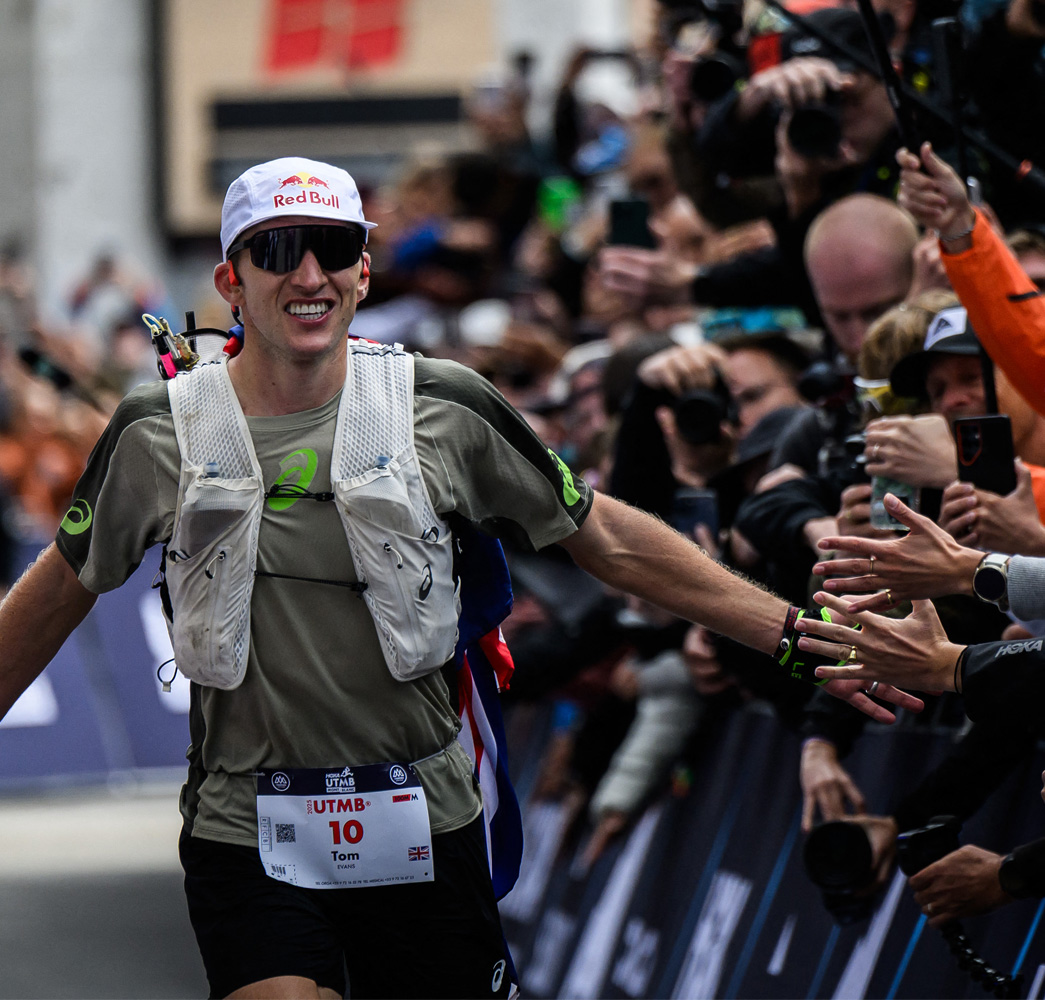

Elite ultra-runner Tom Evans is known for his precision, but not everything he eats on the trail comes in a packet.
On his podcast The Ultra Sound, Tom broke down the real foods, practical hacks and problem-solving that go into fuelling a seven-hour run.
It’s honest, unfussy, and exactly what endurance athletes wish more pros would share.
Here’s Tom, in his own words - and the lessons you can borrow.
Real food still matters
For all the gels and powders in his world, Tom says long days in the mountains still call for actual food.
“There will be points where for a long run - like seven hours - I also want to take real food, so there are a couple of different recipes that I will use.”
And those recipes? Borrowed from the kings of endurance: the pro peloton.
“I think ultra running is a sport in which this is relatively new but cycling and long distance - take the Tour de France for example - they have got so much experience in making foods for prolonged endurance, and those days are pretty similar.”
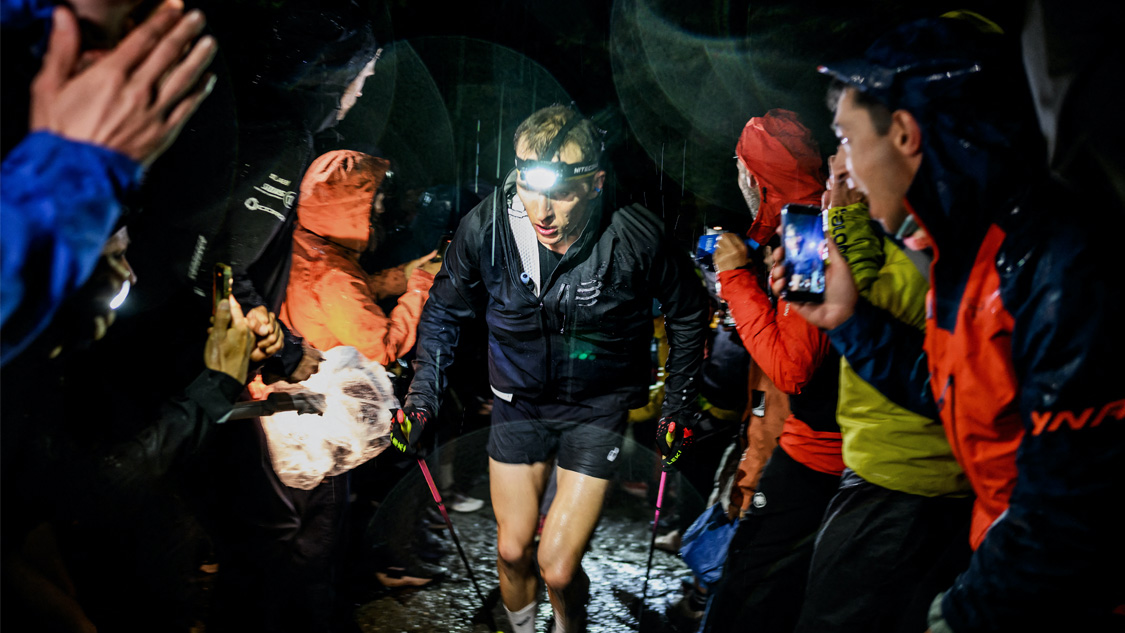
Enter the rice cake
Cyclists have been doing this for decades. Now Tom’s doing it on the trails.
“One of the things that they will eat are these rice cake, rice ball things that are made with real rice, and you can mix it with either a sweet like Nutella or Biscoff - which is just beaut - or savoury things like ham and cheese.”
They’re compact, light, and easy to get down when appetite disappears.
And yes, they taste like actual food - a huge psychological boost deep into a run.
How about when Tom is rushed? He goes for ultra simplicity.
“Those [race balls] are the typical foods that I would eat on the trail if I can be bothered to make it before. If I'm rushed for time I'll just have a banana."
A banana is great fuel... but also a logistical nightmare.
“A banana is about 20 grams of carbohydrate, so if you were trying to fuel solely on bananas you'll end up carrying an enormous backpack.”
Pack like a problem-solver
Fuel is only part of the puzzle. Water strategy matters just as much.
Tom says: “With water, I'm not taking a camel pack, I'll use two or three bottles but that then goes into your route planning. For example, am I going to have to do loops because I need to fill up with water?”
Every athlete imagines the mountain route; Tom plans the refuel points.
His default setup is simple and adaptable:
“Typically I'd carry two bottles of water, two 500ml bottles of liquid. One of them will have carb mix in, the other one will be water, and if I feel like I need the water then I'll drink the water as well as the carb drink.”
Heat changes the equation.
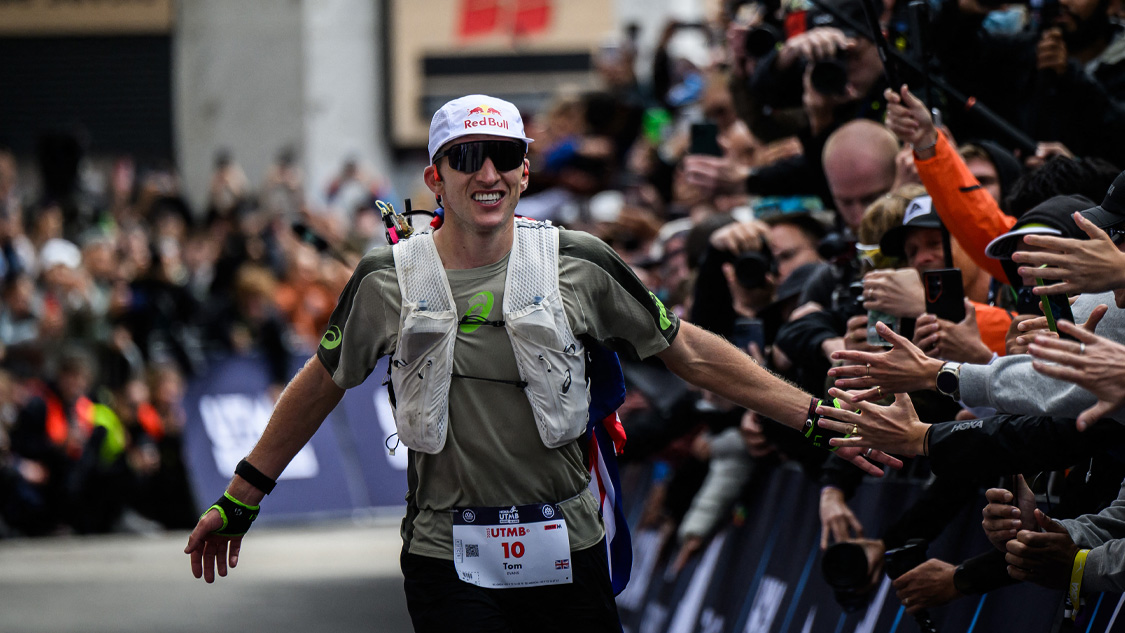
“If it's hot, for example, I like to have a bit of a mixture of water and carb drink, but if it's not particularly hot then I probably won't touch the water.”
And when the bottles run dry?
“I'll then have a spare or another sachet of 320 drink mix, so once one of them is finished I can then fill up the other one. It just means that you can stay super flexible.”
That’s the golden thread of Tom’s approach: fuel should never box you in. It should give you options.
The takeaway for everyday runners
Whether you're running ultras or just stretching your long runs, Tom’s approach offers some simple, practical lessons:
1. Real food has a place, especially on big days.
2. Plan backwards from your route, not just your hunger.
3. Use variety so you don’t burn out on one flavour or texture.
4. Keep flexibility built in - thirst, temperature and energy needs change fast.