

Elite athletes don’t just train their bodies - they train their nervous systems.
Managing stress, emotional load, and mental fatigue is now a core part of high-performance sport.
And as 2026 begins, 'switching off' is no longer a luxury. It’s a skill.
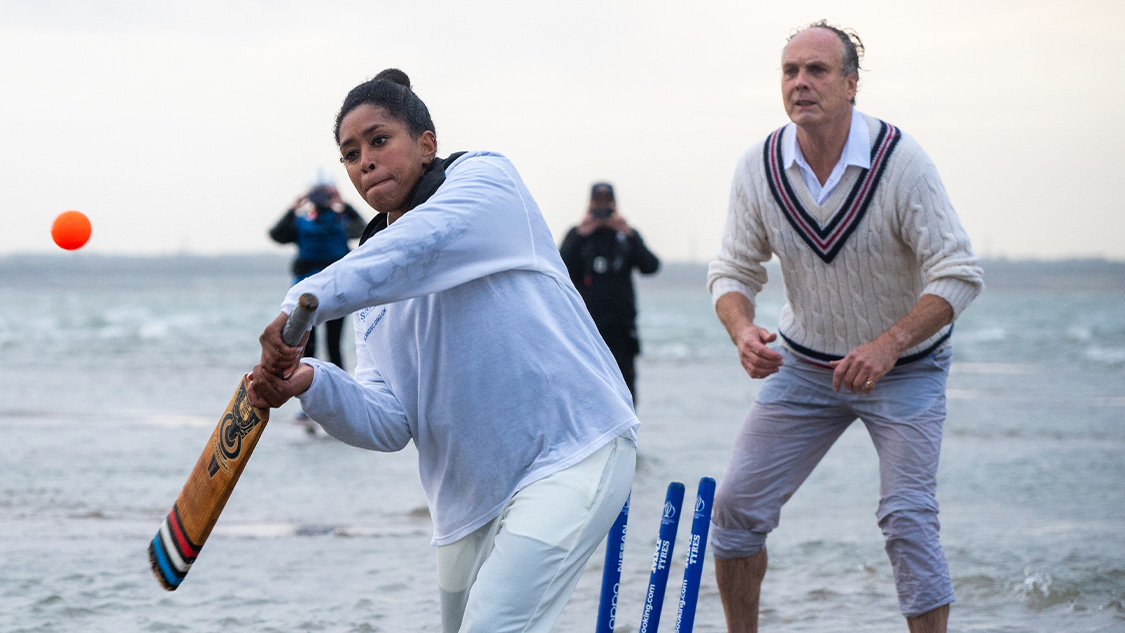
Broadcaster and former England cricketer Ebony Rainford-Brent has spoken openly about the importance of protecting her mental bandwidth.
Reflecting on her career and transition into media, she said:
"You can’t operate on empty. I had to learn how to protect my energy, because the schedule, the expectations, the emotional load - it can drain you if you’re not intentional about recovery."
Rainford-Brent has often spoken about the routines she built to switch off between games: long walks, stretching routines, unplugging from her phone, and carving out pockets of silence.
Her message is clear: recovery is not passive - it’s something you do.

Why the Nervous System Matters More Than Ever
The sports recovery world has shifted from purely physical strategies (ice, sleep, massage) to include the autonomic nervous system - the body’s internal 'stress gauge'.
Sports psychologist Dr. Pippa Grange explains:
"Performance comes from composure. When the nervous system is overloaded, decision-making, confidence and physical execution all suffer. Down-regulation is one of the most underrated skills in modern sport."
Down-regulation? In essence, engaging the parasympathetic nervous system, the body’s 'rest and restore' mode.
This is why athletes increasingly track recovery using HRV (Heart Rate Variability), breath work, micro-rests and even mindfulness.
How Modern Athletes Switch Off
Here's a few strategies Ebony Rainford-Brent and many athletes use regularly:
1. Micro-rests
Tiny 'pauses' throughout the day help prevent build-up of tension.
A two to three-minute reset might include:
- Looking away from screens
- Slow nasal breathing
- Stretching your upper back
- Closing your eyes and letting the mind settle
2. Digital boundaries
Rainford-Brent has spoken about walking away from social media or broadcasts after long days to protect emotional bandwidth.
3. Nature breaks
A short walk outside is one of the fastest ways to lower your stress response.
4. Breath-led recovery
Performance experts like Dr. Sophie Bostock (a sleep physician) promote short breath work bursts that rapidly calm the nervous system.
She advises: “Exhale-focused breathing - longer out-breaths than in-breaths — is one of the quickest ways to activate the body’s calming response."
A Five-Minute Reset You Can Use Today
- Inhale slowly for 4
- Exhale for 6
- Repeat for 12 cycles
- Relax your shoulders
- Drop your jaw slightly
- Close with 60 seconds of stillness
The Takeaway
You don't become calmer by accident - you become calmer by training it.
As Ebony Rainford-Brent puts it, protecting your energy is "non-negotiable."
You don’t need an athlete’s schedule to benefit from this. You just need intentionality - and five minutes to switch off.






.png)